Why Patients Choose Dr Nara
With over two decades of surgical experience and a Fellowship in Cosmetic Surgery, Dr Kishen Nara is known for his honest, personalised, and culturally sensitive approach. Patients across Melbourne, Adelaide and Tasmania trust him for real results and professional care, especially in intimate procedures like sap labiaplasty.
Specific Cosmetic Surgery Training
Dr Nara is a Surgical Fellow of the Australasian College of Cosmetic Surgery and Medicine. His training ensures advanced techniques, safety, and natural outcomes in labiaplasty.
Over 20 Years of Surgical Experience
With a background in general and cosmetic surgery, Dr Nara brings decades of experience to each patient. Many patients also seek his care for revision labiaplasty.
Personalised Consultations
Every consultation is tailored, private, and respectful. Dr Nara takes the time to understand your goals and address any concerns you may have before proceeding.
Trusted by Patients Across Regions
Patients from Melbourne, Armadale, Adelaide, Hobart, Launceston, and across Tasmania choose RevAesthetic for our commitment to care, confidentiality, and trusted outcomes in intimate surgery.
Disclaimer: The before and after results shown for labiaplasty vagina surgery are specific to these individual patients. All results shown are not generalisable as individual results vary significantly based on genetics, anatomy, medical conditions, goals and lifestyle. By continuing, I understand the images shown are clinical in nature where results vary from person to person. This is strictly for adult viewing where I respect the sensitive nature of the images shown to educate me about the principles and intricacies of labiaplasty surgery in Australia.
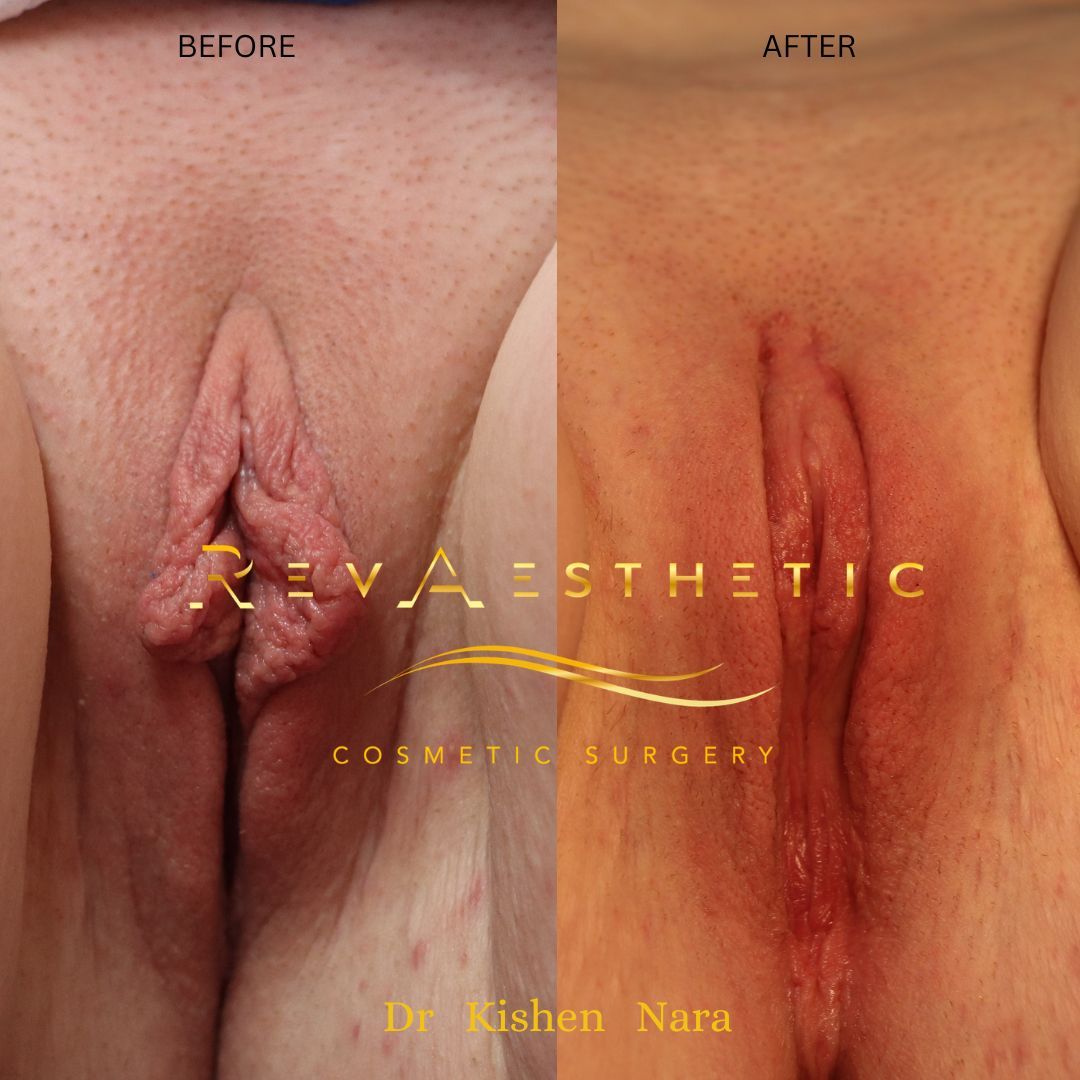
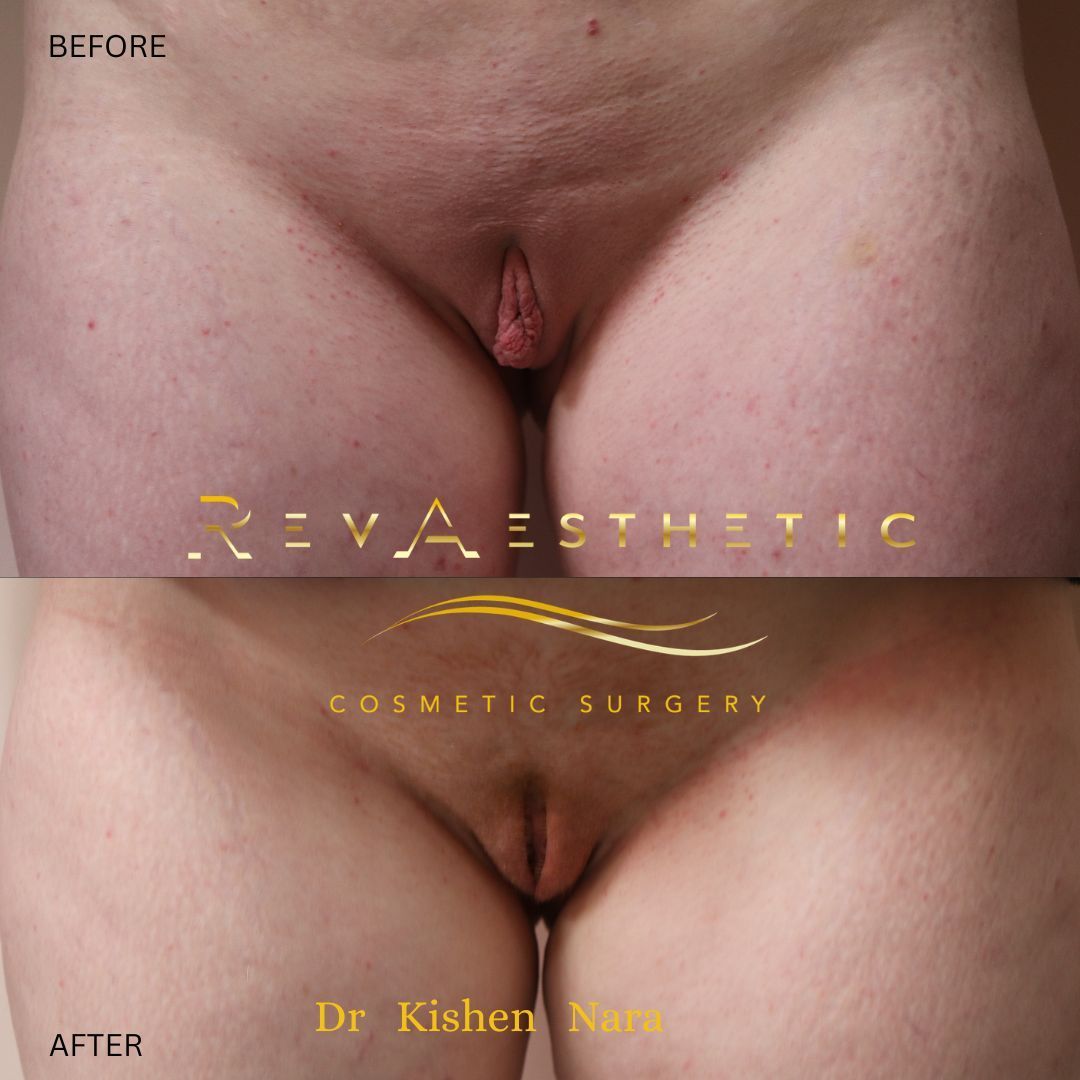
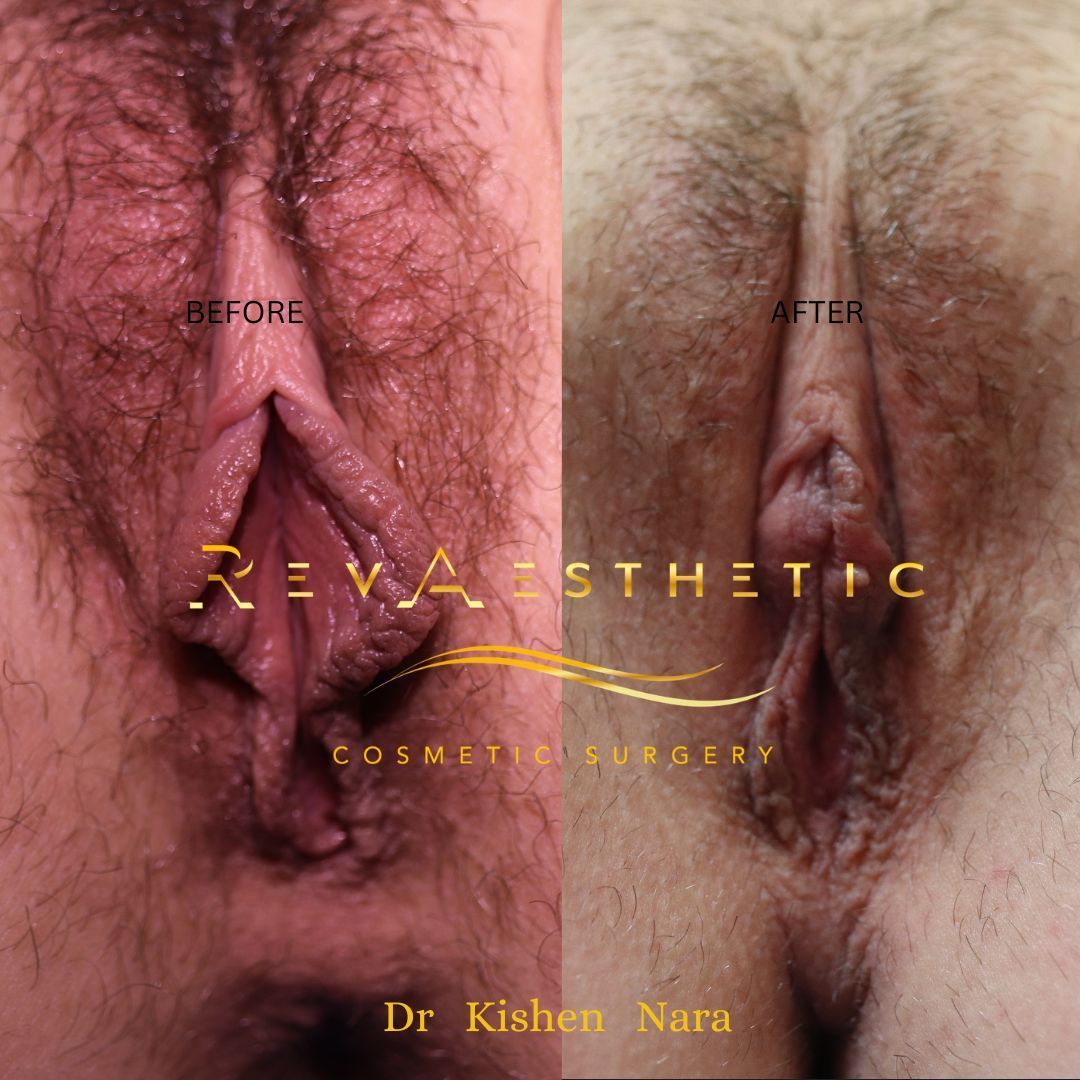
25yo who had several labiaplasty consultations prior to making an informed decision. She had symptoms that she felt were associated with her labia tissues. She decided to have labiaplasty surgery with the team at RevAesthetic and Dr Nara in order to alter the shape and contour of her inner labia. She also looked into surgical techniques to address her goals pertaining to her clitoral hood. In addition, she also had anal tag removal. As labiaplasty surgery or vagina surgery has significant surgical variations and outcomes depending on the respective patient's genetics, medical conditions and capacity to heal she was consulted thoroughly for specific options related to what was important to her and what was achievable. All surgery has its inherent risks and complications. Some risks of labiaplasty involve bruising, swelling, bleeding, lumpiness, prolonged numbness and contour irregularities. Click here to learn more about the risks of surgery. Results are shown 2 months following surgery and is still improving.

48 year old patient, mother of three, who considered her options carefully prior to undertaking labiaplasty. She was consulted comprehensively based on the Medical Board of Australia guidelines to ensure patient safety. She had excess skin from an acquired medical condition. The implications of this was associated with symptoms that affected her lifestyle. These symptoms were preliminary managed with conservative therapies. After exhausting conservative therapies she then considered labiaplasty vagina surgery having been informed about the nature and risks of surgery (to learn more about the risks of surgery click here). Her results are shown as below at 3 weeks from surgery which shows mild to moderate bruising.
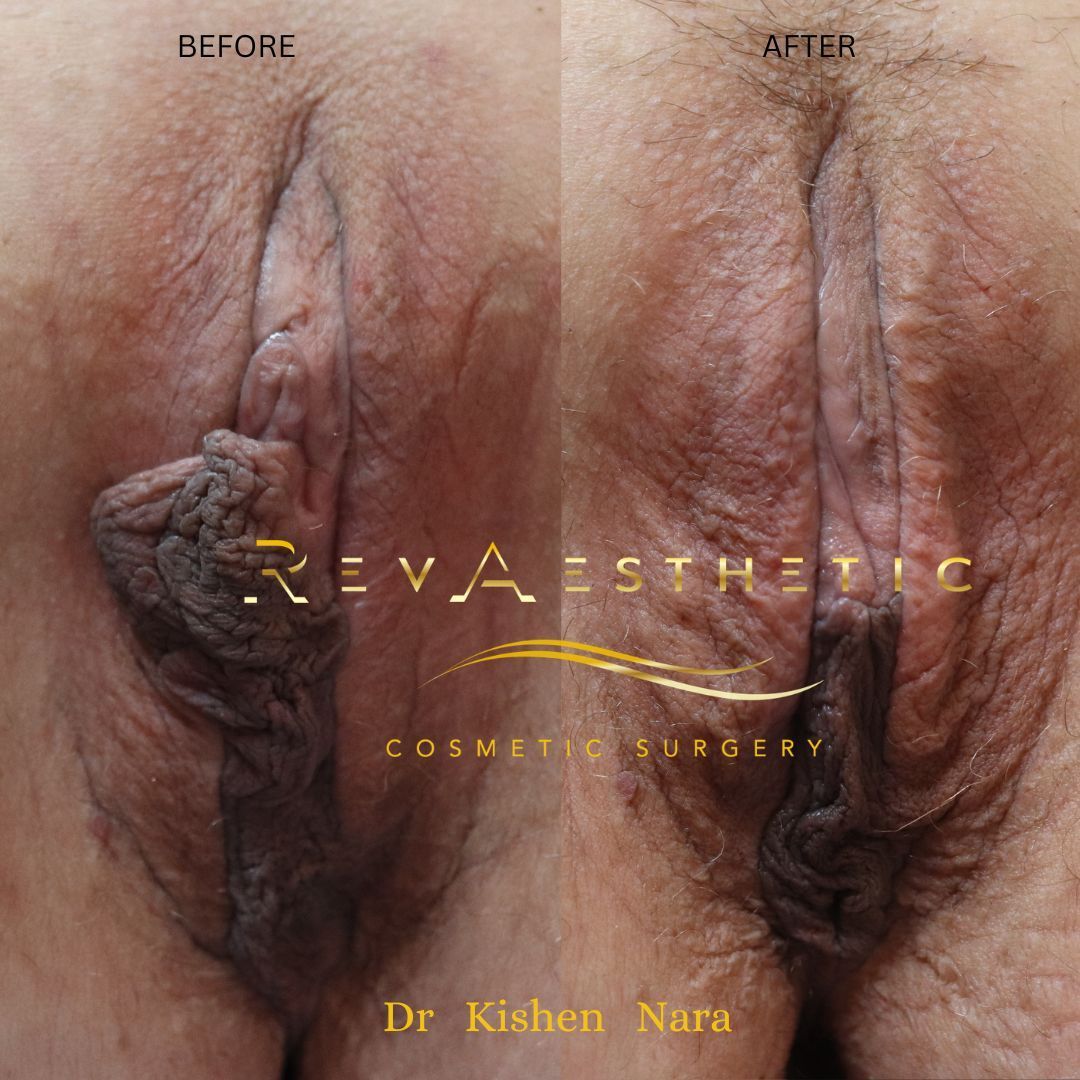
The patient below had been looking into labiaplasty for many years prior to having a consultation for labiaplasty. Being 21 years of age, she understood that conservative management was difficult to manage the symptoms she experienced. After having understood the various labiaplasty surgical options and risks of surgery as consulted thoroughly by Dr Nara, she made an informed decision to proceed with surgery. The length of the labia minora on the right and left were 12.5cm and 10cm respectively. Results are shown at the 6 week mark as below
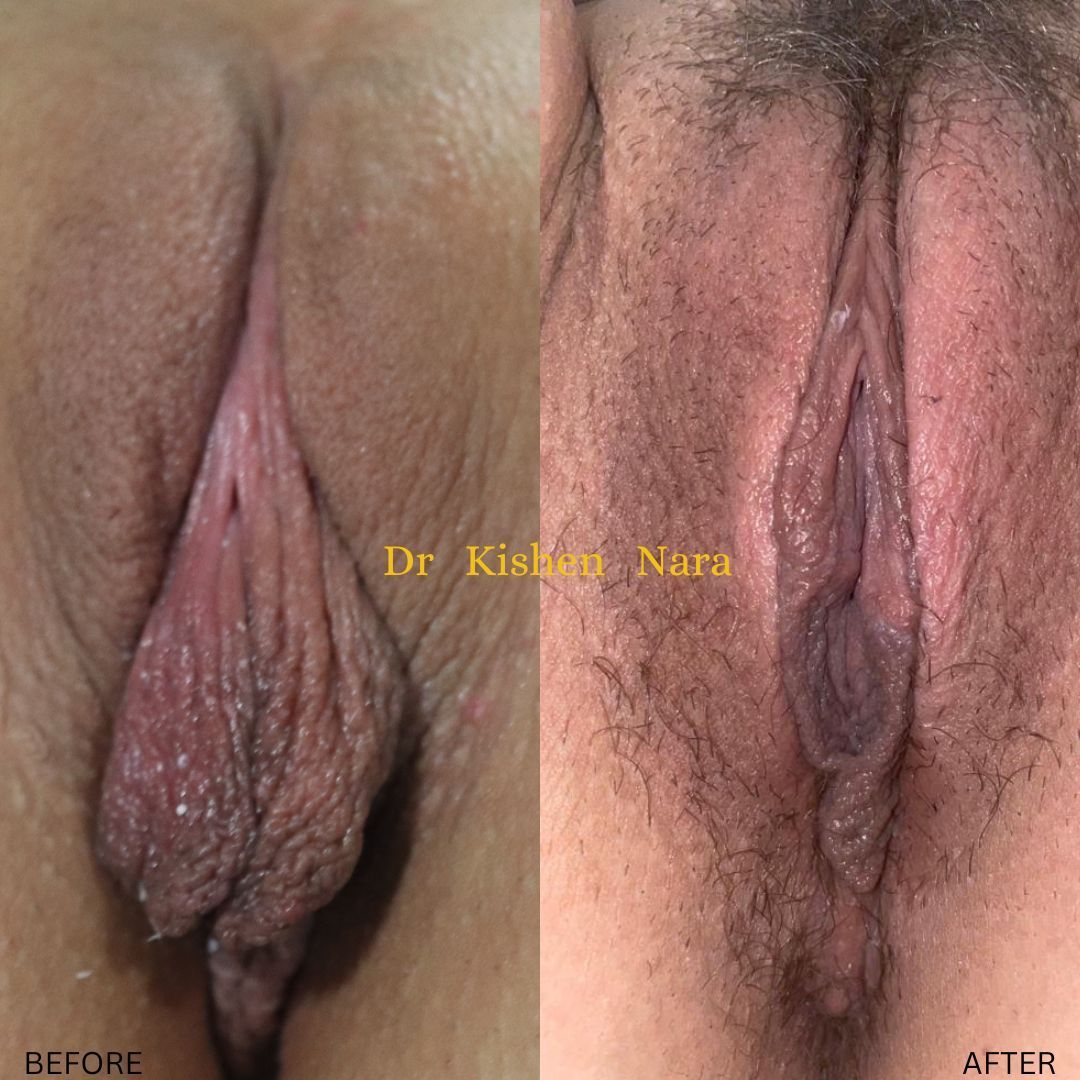
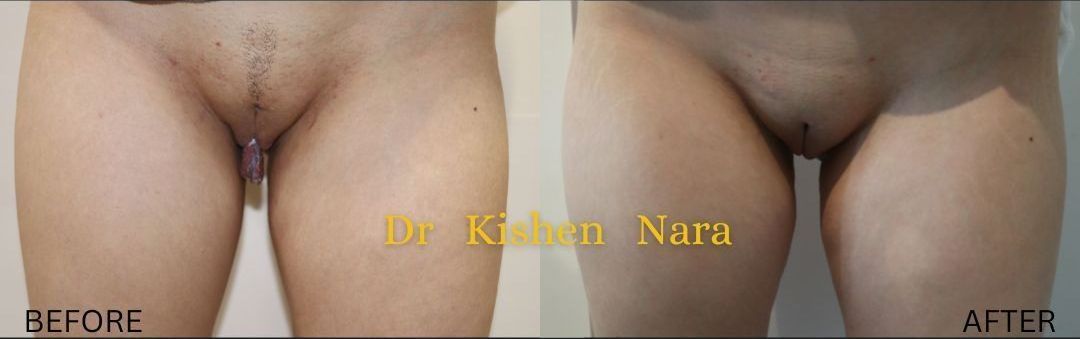
The patient below is 33 years of age and had been considering labiaplasty for about 5 years prior to having a consultation for labiaplasty. Having trialed conservative management, the symptoms she experienced was difficult to manage according to the patient. She made an informed decision to proceed with labiaplasty surgery, after having understood the various labiaplasty surgical options and risks of surgery as consulted thoroughly by Dr Nara. Results below are shown at the 6 week mark. These results are obtained through specific after care instructions where swelling is expected to reduce in the next 2 months.
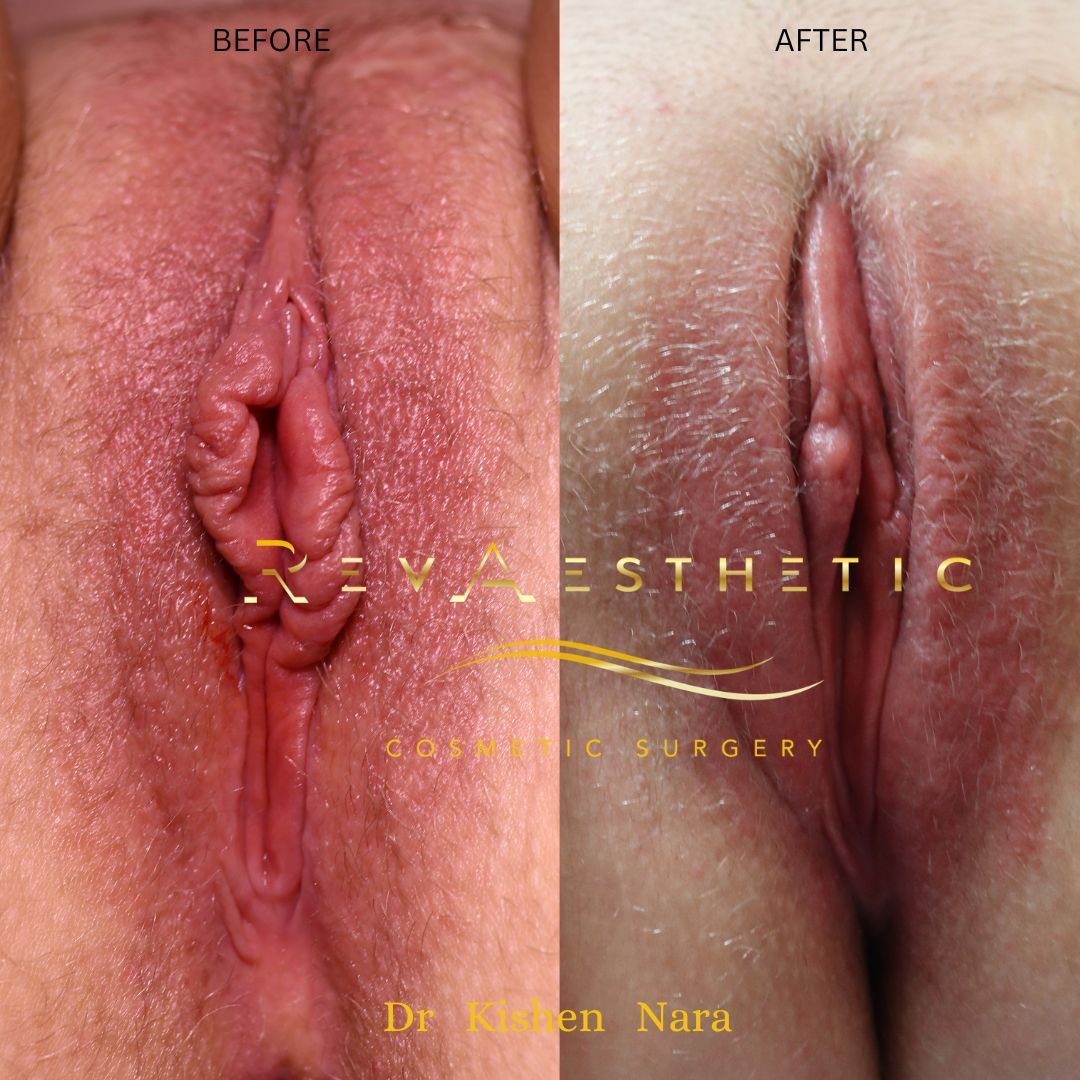
Standing view as below
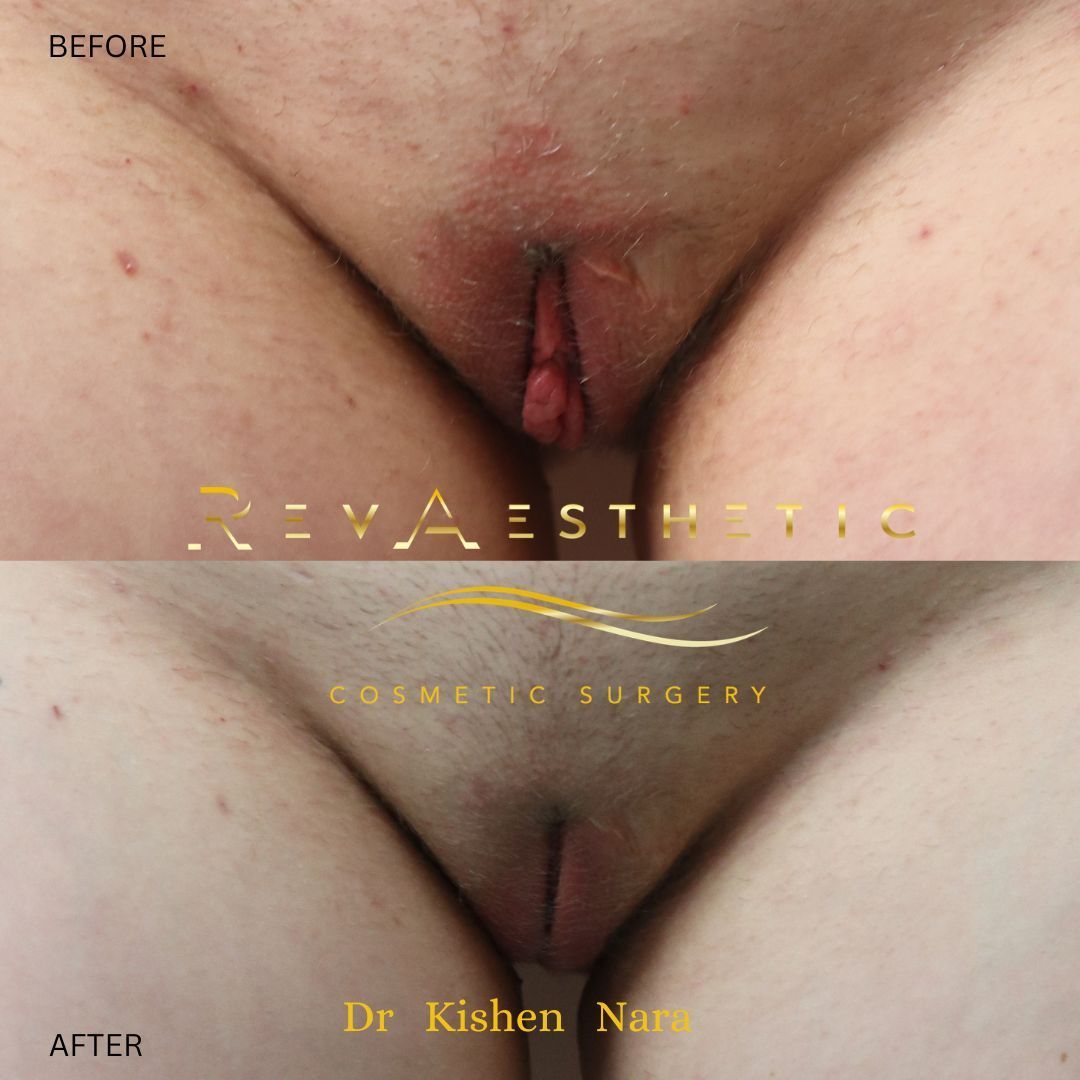
29yo who decided to have labiaplasty surgery with Dr Nara. After a conscientious and comprehensive consultation on labiaplasty, understanding the options for labiaplasty, and the risks of surgery ( click here to understand the risks of surgery). The patient wanted to address excess tissue of the labia minora as well as the clitoral hood. It was associated with personal symptoms as experienced by the patient. As this is intimate surgery, we respected our patients concerns and questions throughout her cosmetic journey. Results shown at 5 months following surgery.
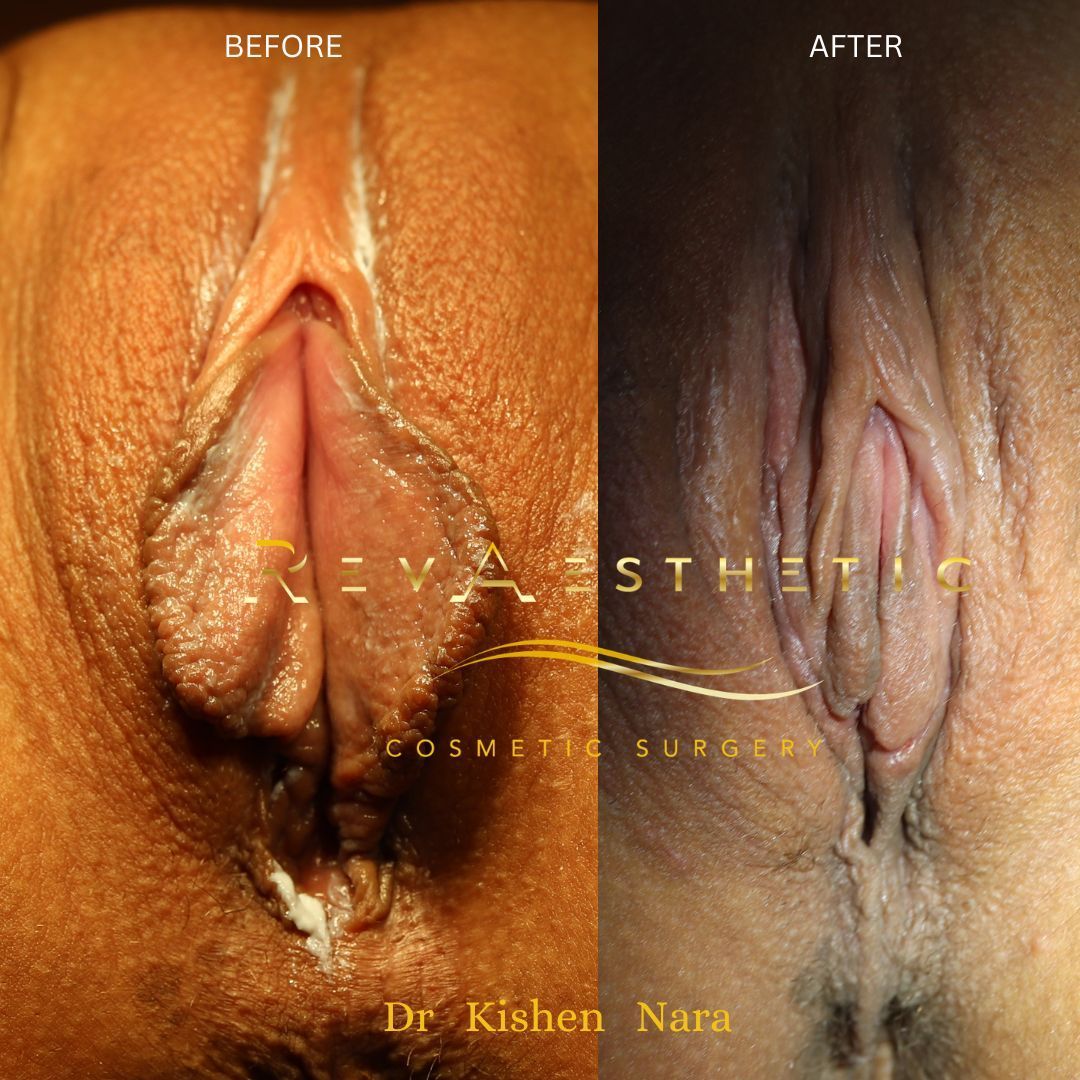
Standing views as below
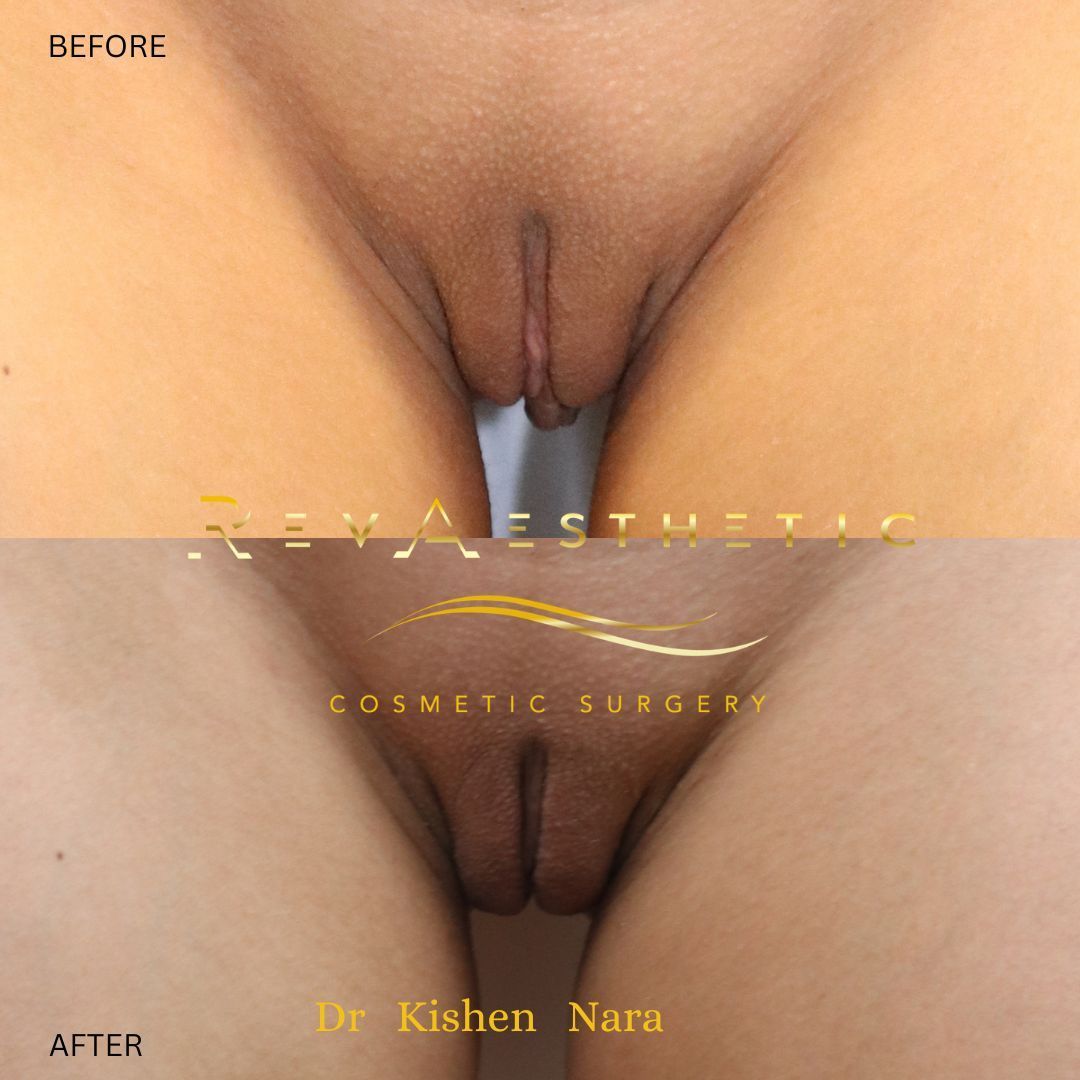
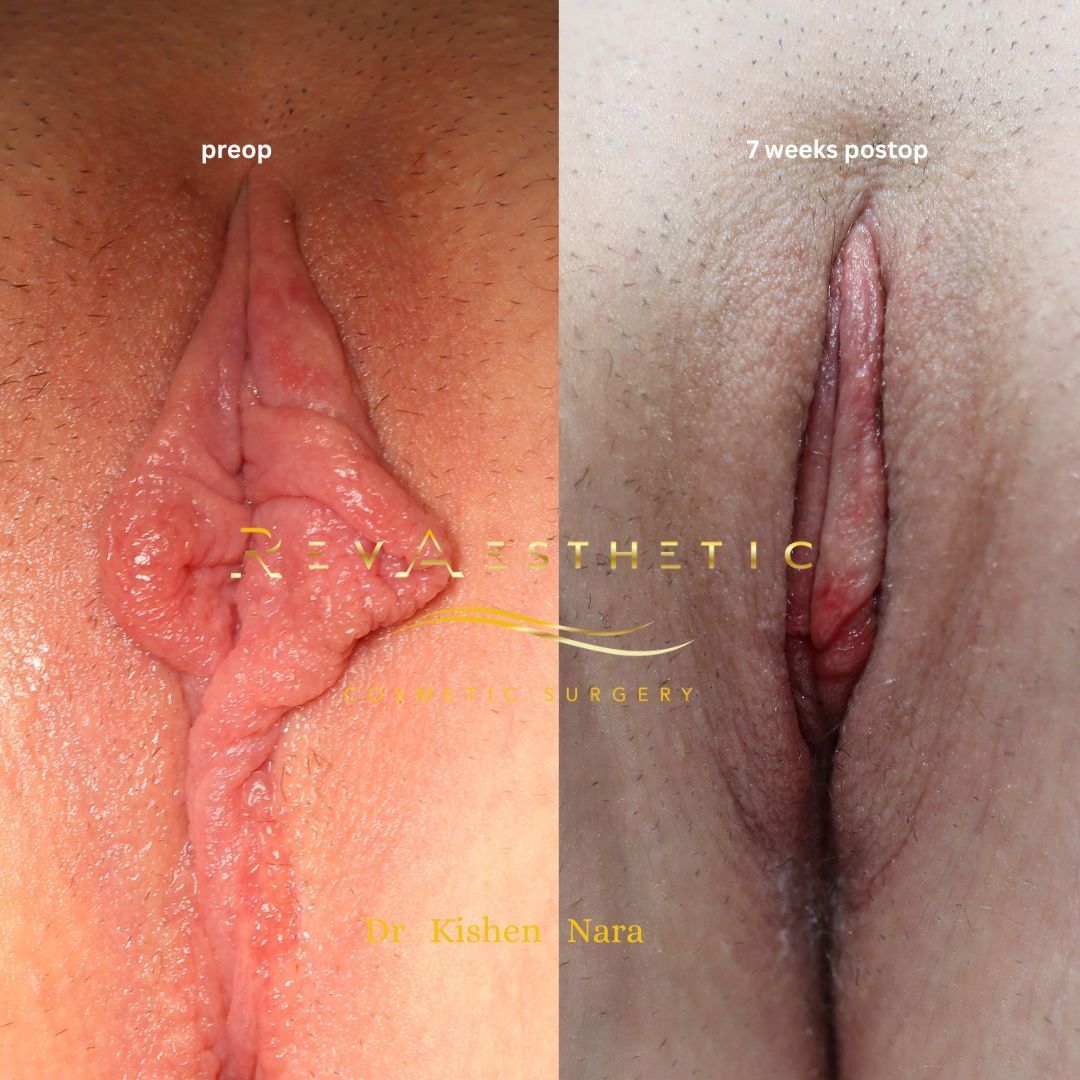
The patient below is a 37yo single mother who was considering labia surgery or labia trimming surgery for 10 years prior to a tailored consultation with Dr Nara. She considered all the options available at the consultation including conservative management prior to labiaplasty surgery. She made an informed decision to proceed with labiplasty reduction surgery after considering the risks of surgery and after care instructions. The right and left labia minora were significantly different anatomically. The risks of surgery can be read here. She had clitoral hood reduction and labia minora soft tissue reduction to address the excess soft tissue of both labia minora as well as symptoms associated with it such as discomfort and difficulty wearing clothing. All patients will experience varying degrees of soft tissue reduction and symptom improvement based on what was discussed at the consultation and the outcome of surgery. Results are shown 7 weeks from surgery. Results of surgery will vary from individual to individual based on varying clitoral hood, labia minora and labia majora anatomy, underlying medical conditions, medications, and genetics. This patient had transient hypersensitivity that improved with conservative management.
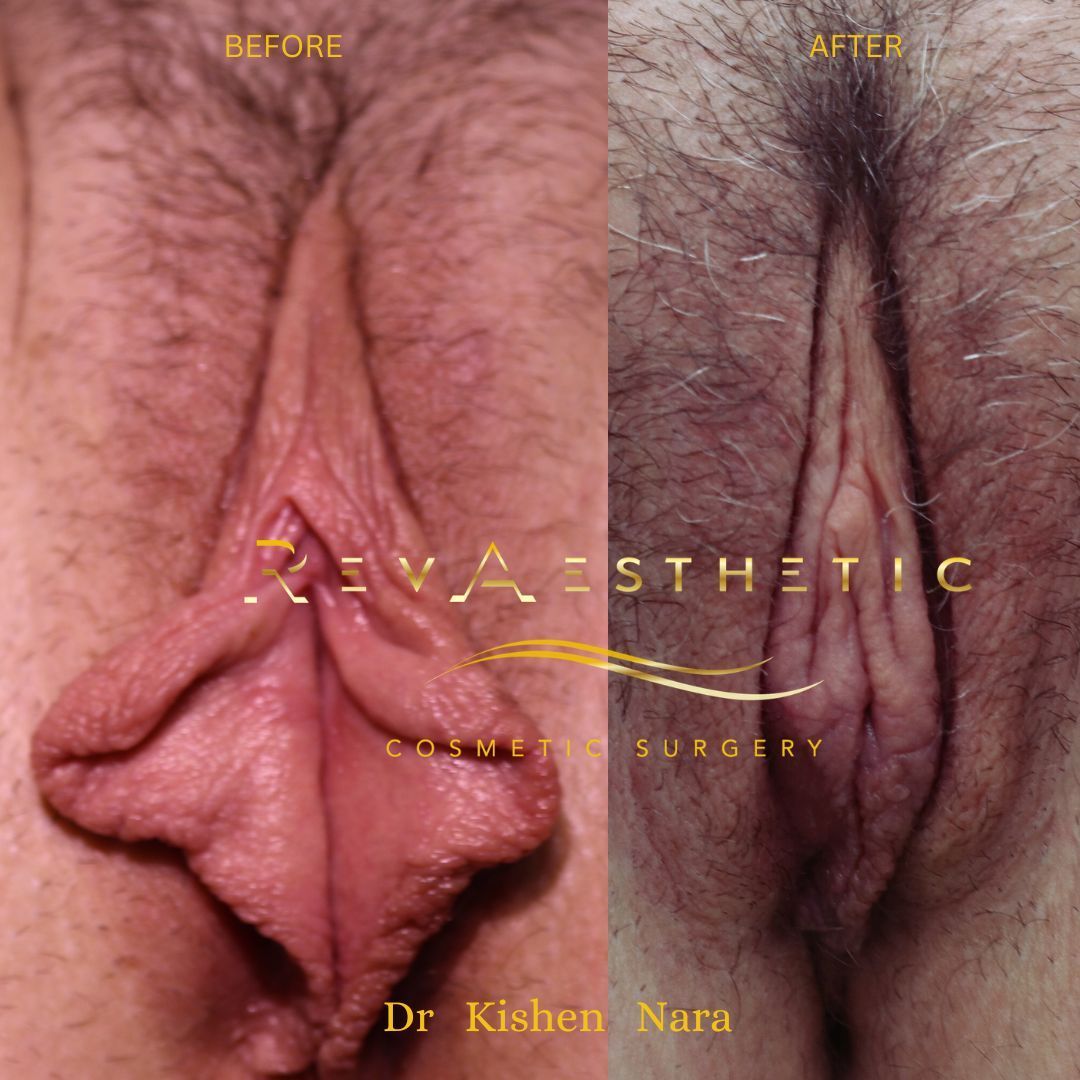
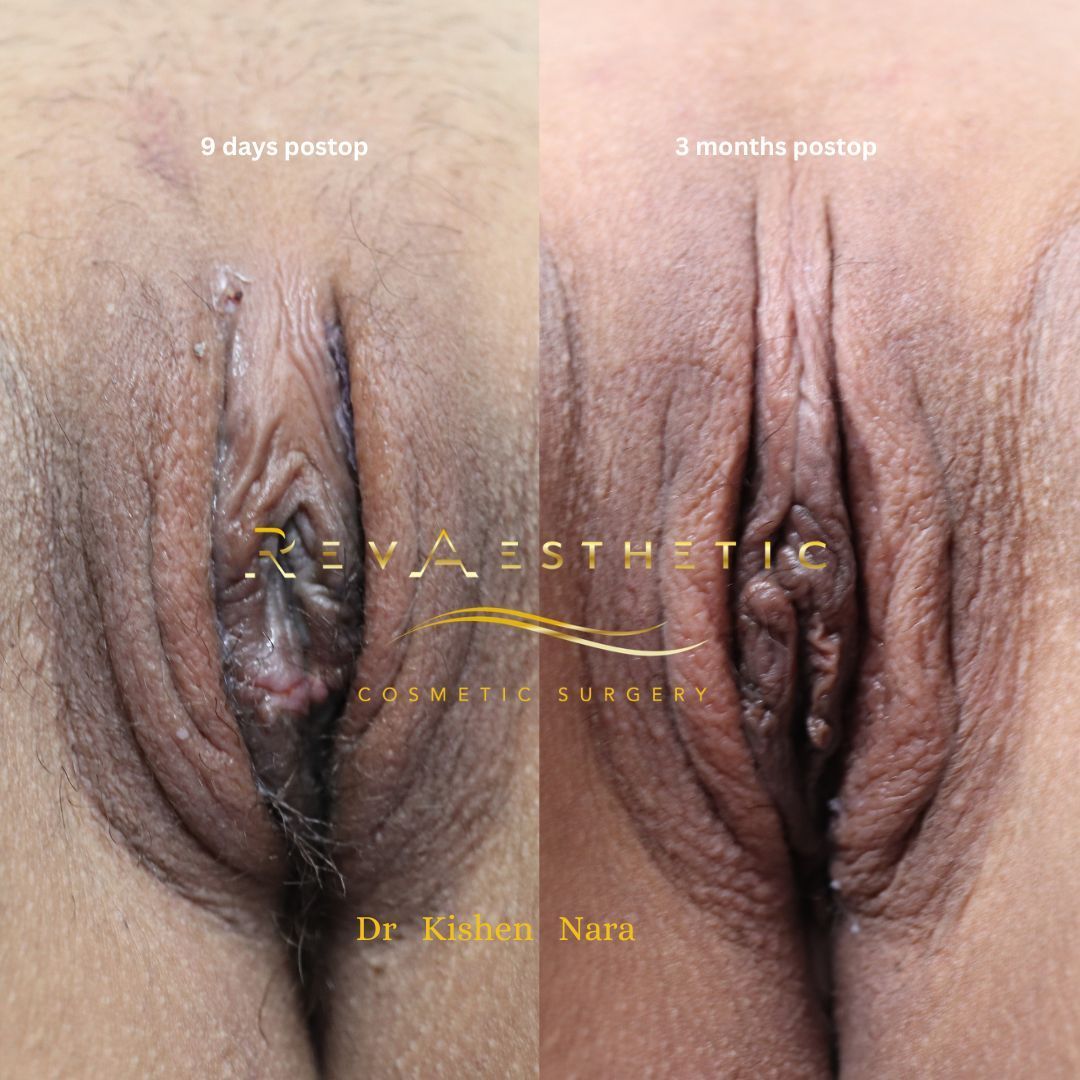
This patient is 28years of age who looked into labiaplasty or labia reduction surgery. She looked into this for approximately 10 years in terms of the different options available. Upon further assessment in line with Medical Board of Australia guidelines, she decided to alter the shape and contour of her labia minora as well as clitoral hood. Specifically, the surgical re-architecture of her labia involved reducing the width and thickness of the labia minora. In addition, the surgical element of controlling the angulation of the left side compared to the right was performed to balance symmetry. The clitoral hood was also reduced through an extended method. After discussing the risks of surgery and understanding the specific technique for labioplasty surgery with labia minoraplasty and clitoral hood reduction with specific adjuncts to reduce the risks of wound separation, she provided informed consent to proceed with surgery. The perioperative pain control was 0/10 to 1/10 according to the patient. Specific instructions were given to the patient tailored to her lifestyle and occupation within realistic expectations. Results are shown as below 9 days from surgery. The results demonstrate the healing process involving expected wound healing, bruising and moderate swelling with front and standing views respectively.
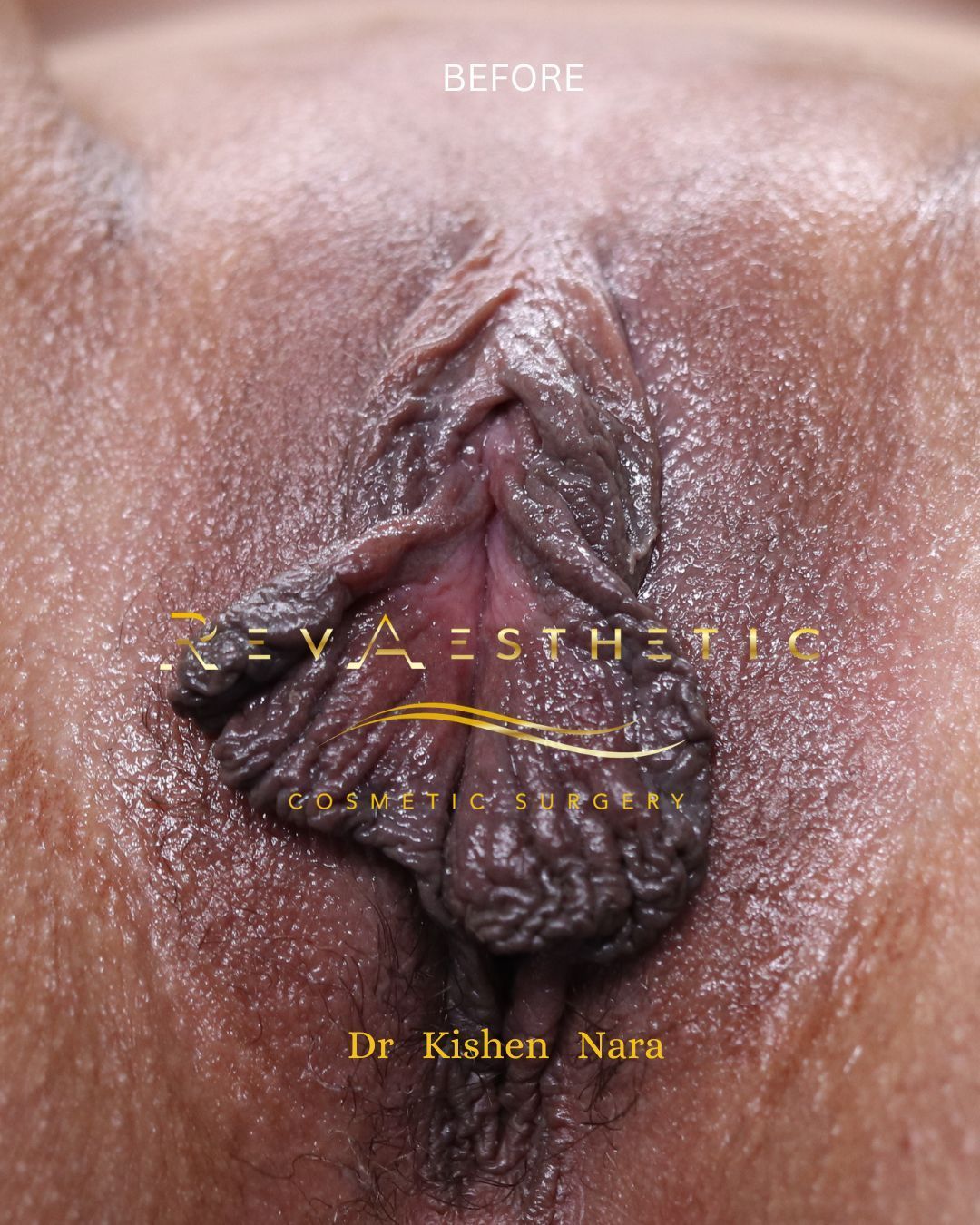
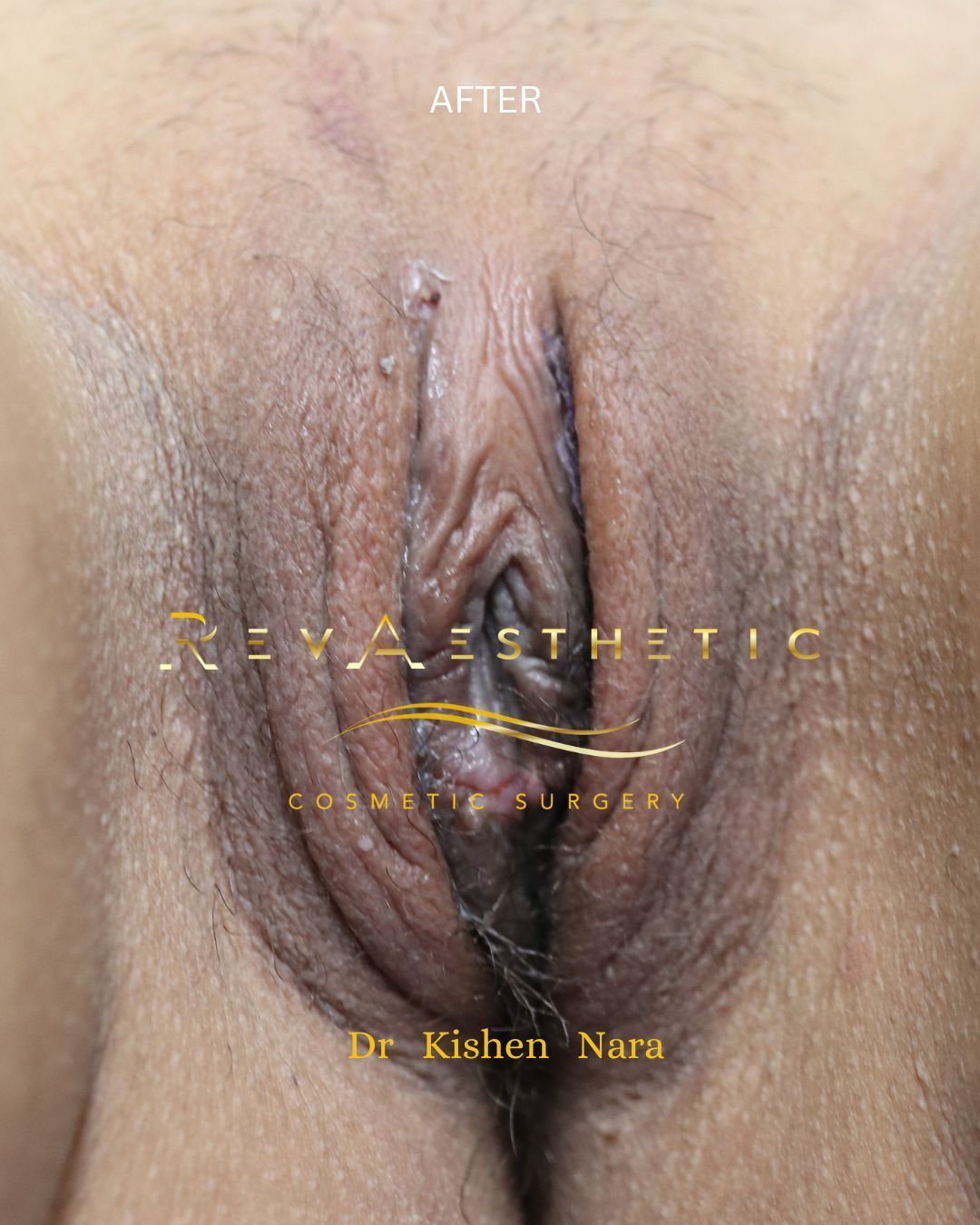
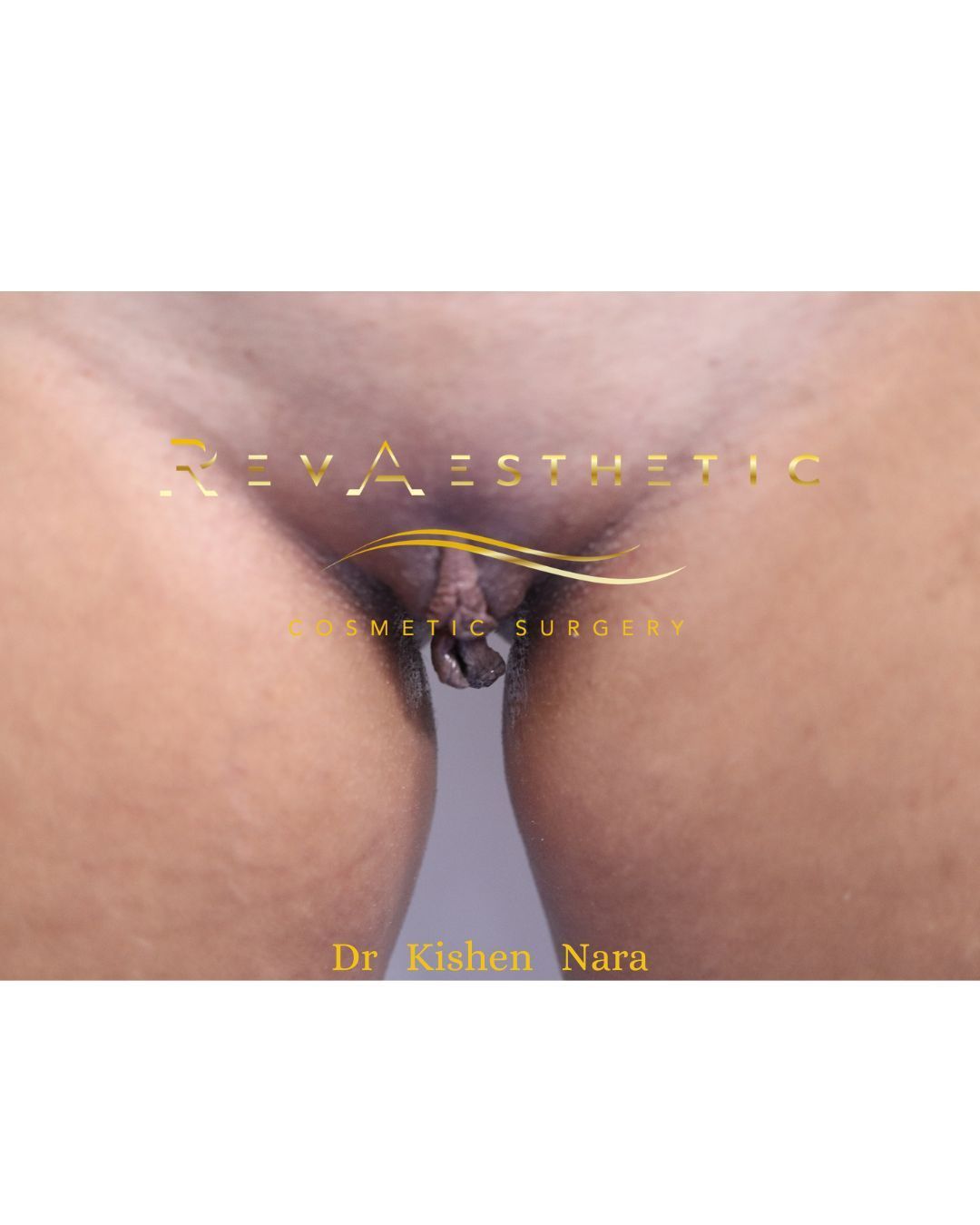
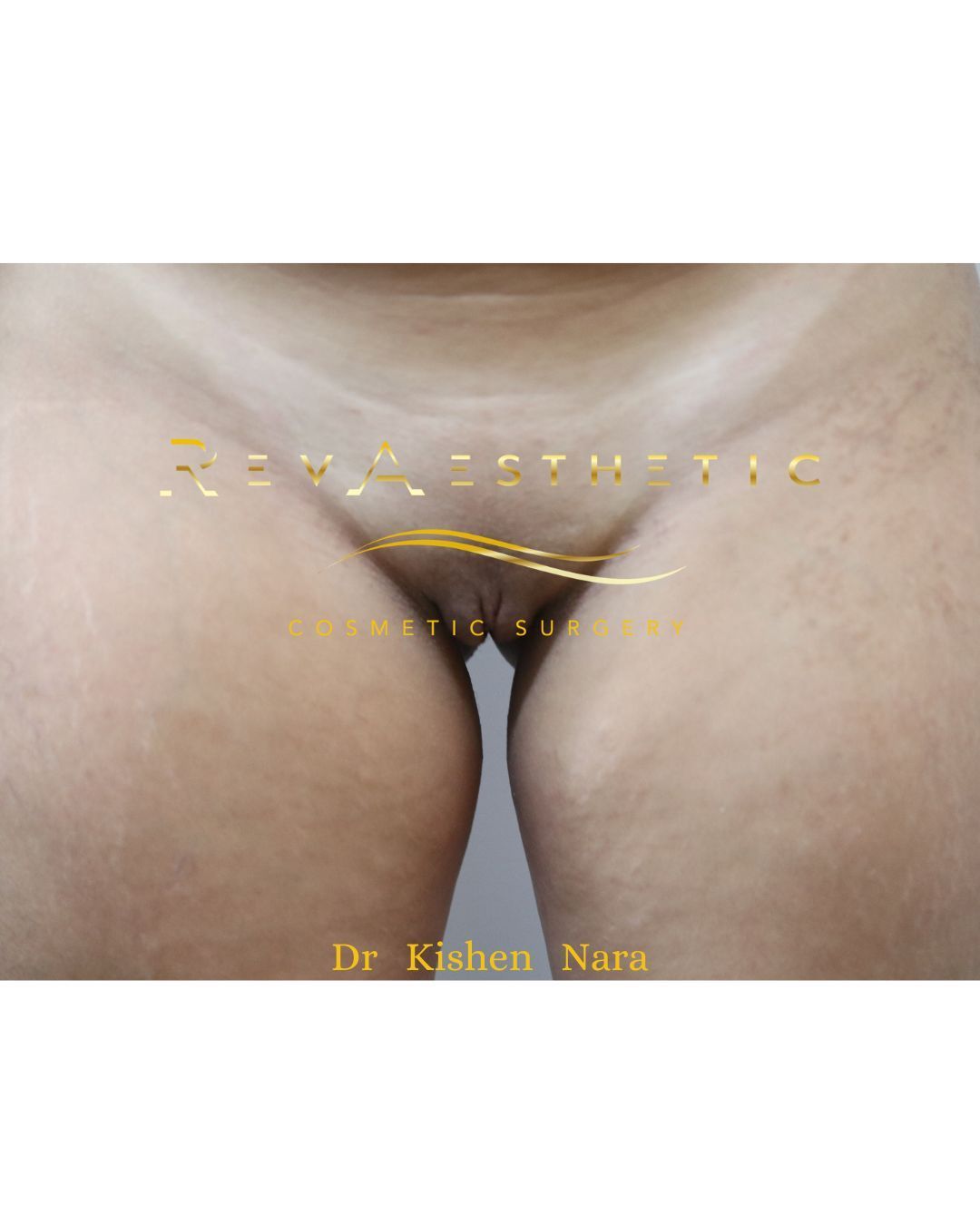
Following on the above patient's respective labiaplasty journey in Melbourne, she continued with Dr Nara's specific instructions in order to allow the soft tissues of the labia minora and clitoral hood to heal. The photographic results below demonstrate the labiaplasty progression journey from 9 days following SAP labiaplasty to 3 months after surgery. The visualisation of labia measurements or labiametrics at 3 months from surgery demonstrate the reduction of the width of the labia minora and clitoral hood in the coronal plane respectively in the supine position compared to 9 days from surgery. To learn more about the best strategies for our labiaplasty aftercare which was used by this patient click here.
The patient below is 21 years of age who decided to have selective anatomic preservation labiaplasty in Adelaide. She previously had non-surgical treatment to address functional issues related to labia hypertrophy where the labia length reduced from an average of 7 cm to 6.9cm. She pursued surgical treatment to further reduce the labia dimensions. Results are shown 7 weeks from surgery where recovery from swelling and bruising is still apparent following recovery from unrelated medical illness. The labia lengths have been altered respectively for the left from 6.9cm to 1.9cm and for the right from 6.7cm to 1.8cm. Surgical technicalities involve multi-variant anatomical thickness, troughs and folds. The operation she had specifically involved labia minoraplasty and clitoral hood reduction with selective anatomic preservation labiaplasty performed by Dr Kishen Nara, trusted key stakeholder in intimate cosmetic procedures in Adelaide.
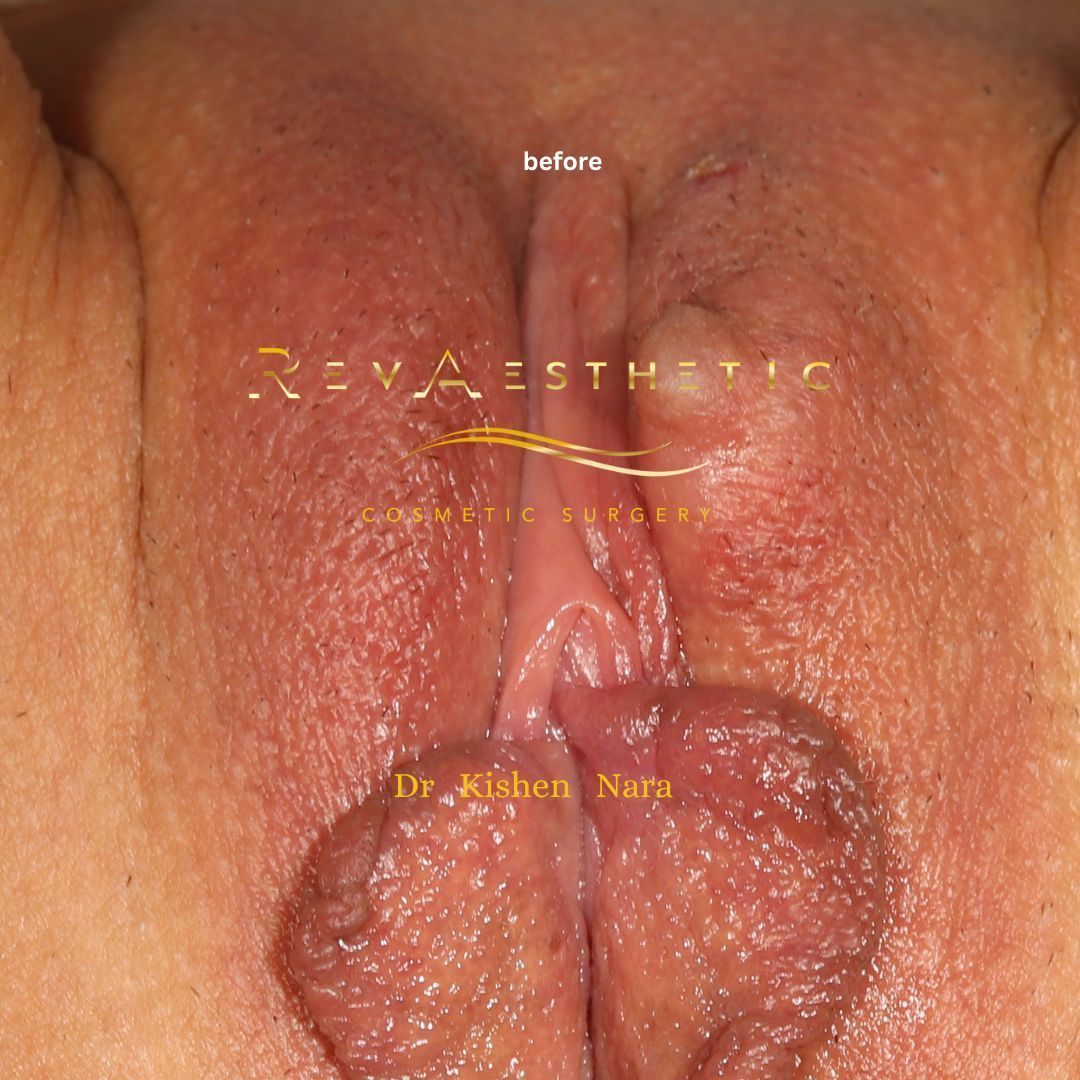
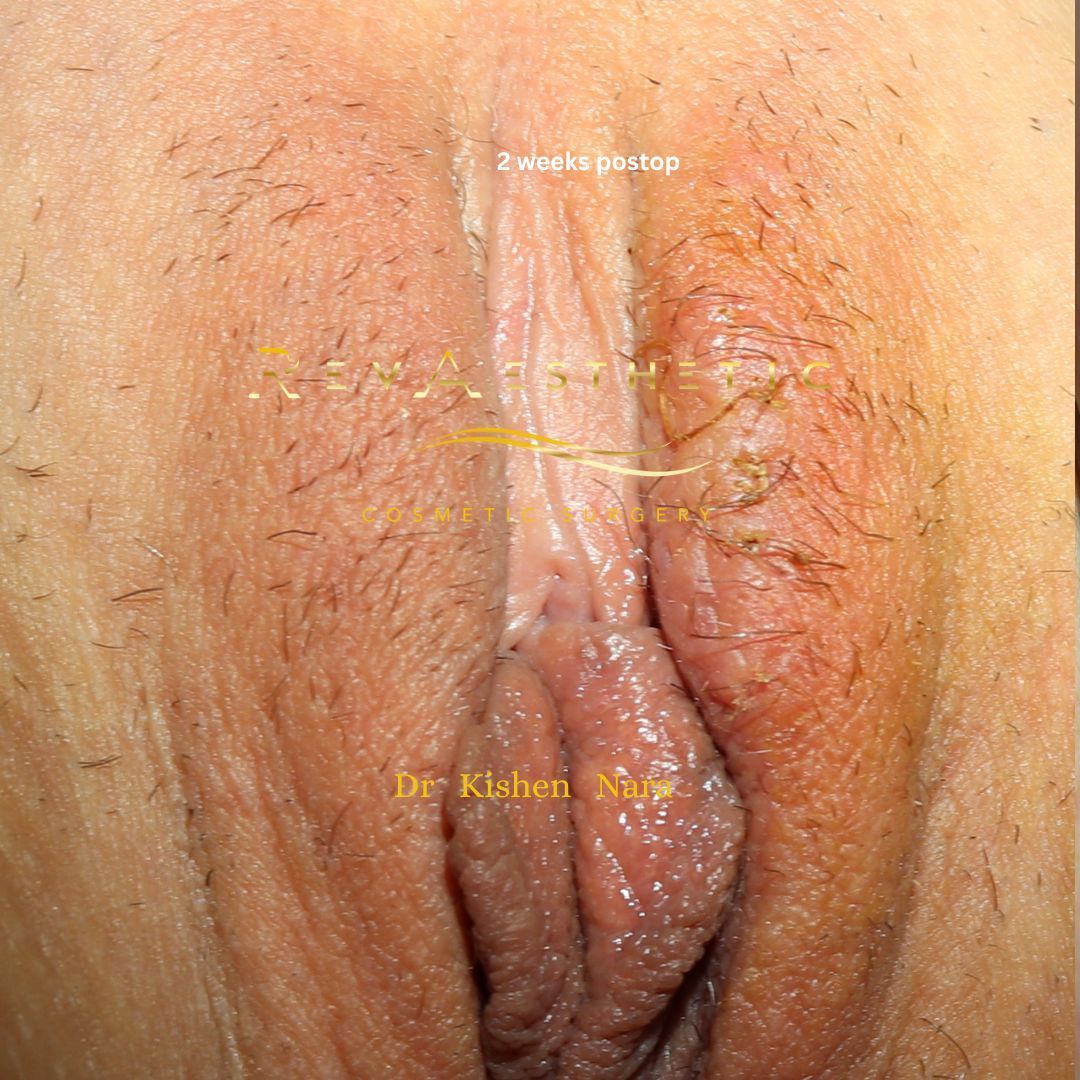
The team at RevAesthetic also provides the service of addressing benign soft tissue skin lesions around the labia minora, labia majora or clitoral hood. The patient below is a 33 year old patient who had a skin growth of the left labia majora over several years. Conservative management did not improve the dimensions of the soft tissue lesion. After being thoroughly informed about the surgical options and considered the potential risks of surgery, she decided to surgical excision of the soft tissue lesion of the left labia majora with Dr Nara. Results are shown at 2 weeks from surgery. The benign cyst was removed carefully with 2/10 bruising as shown.
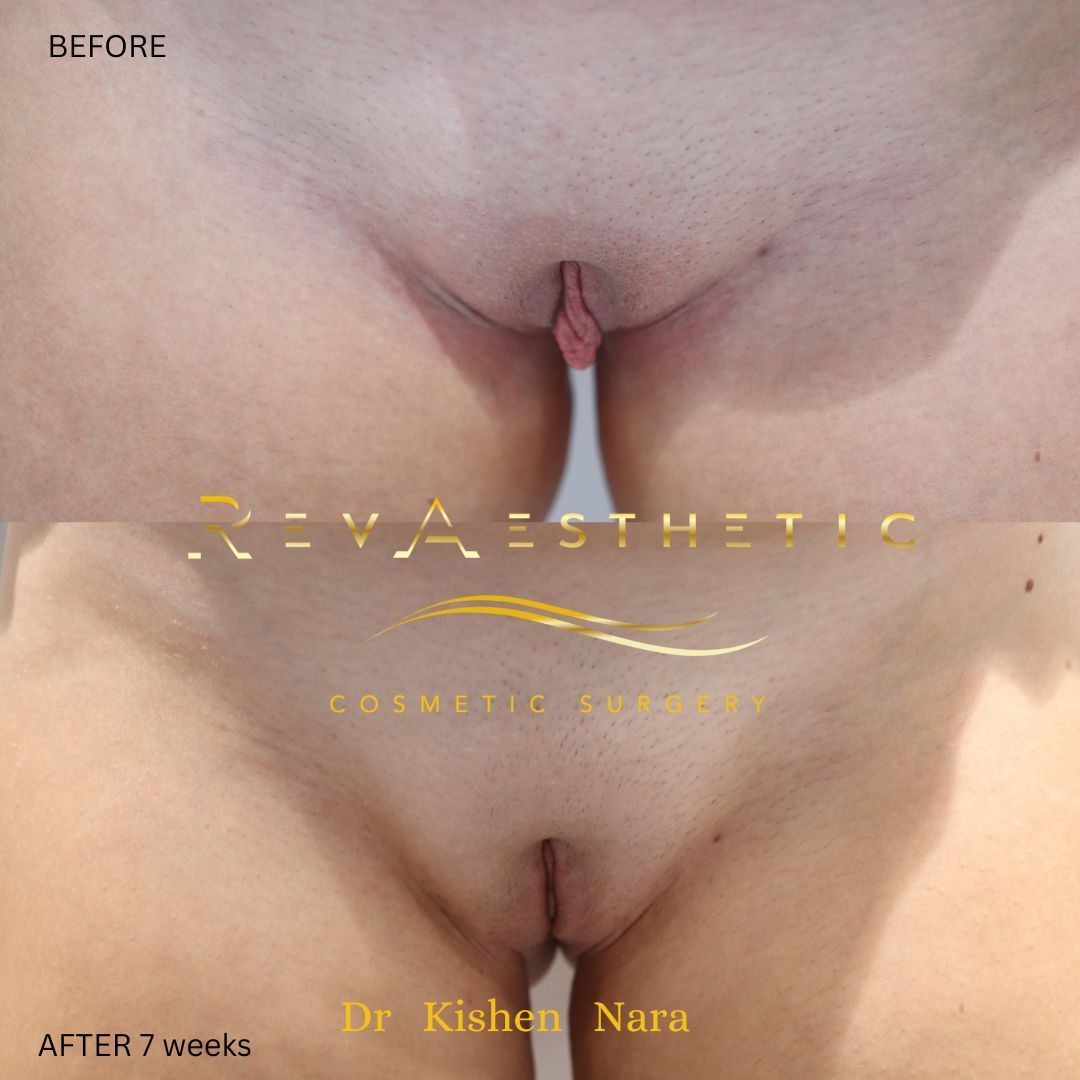
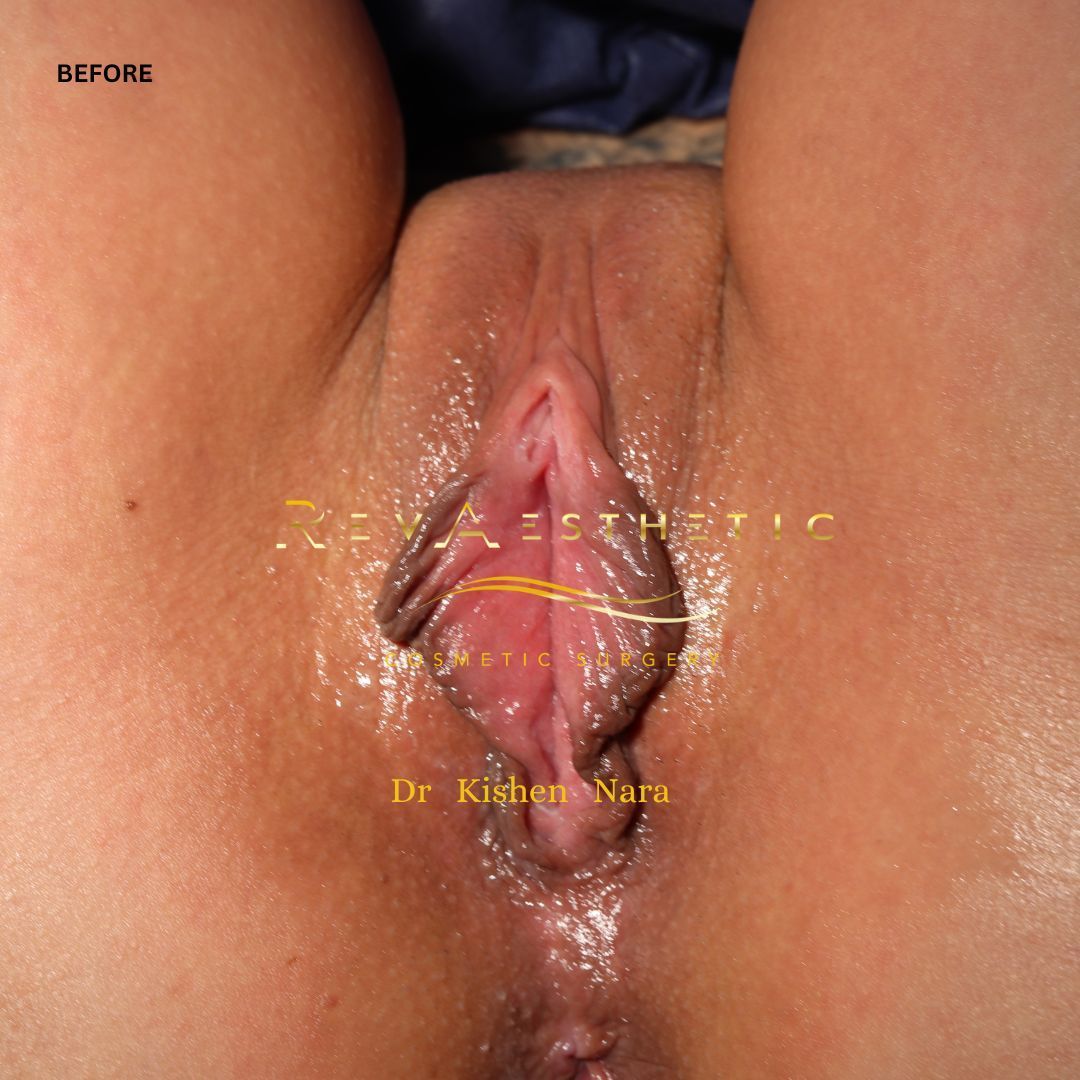
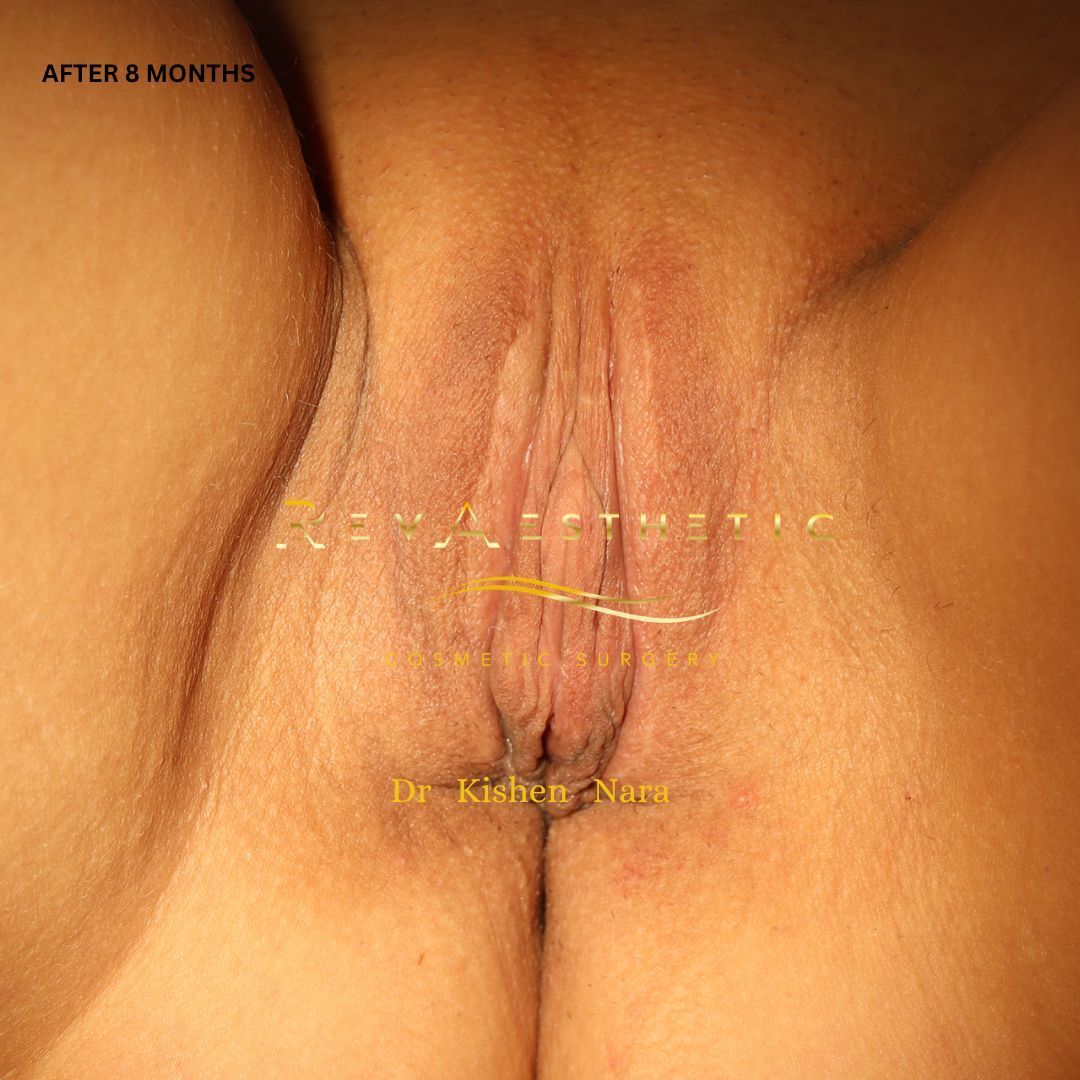
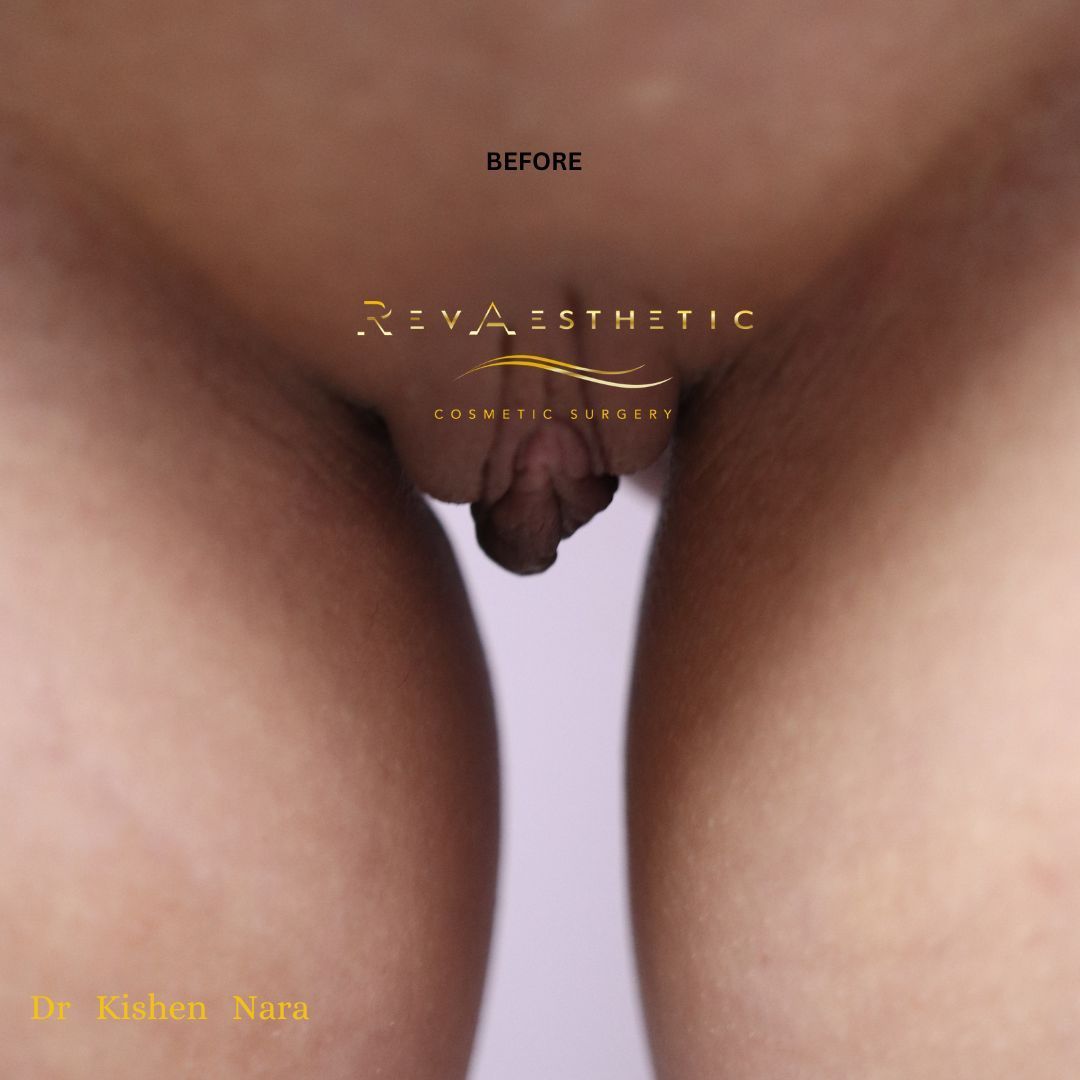
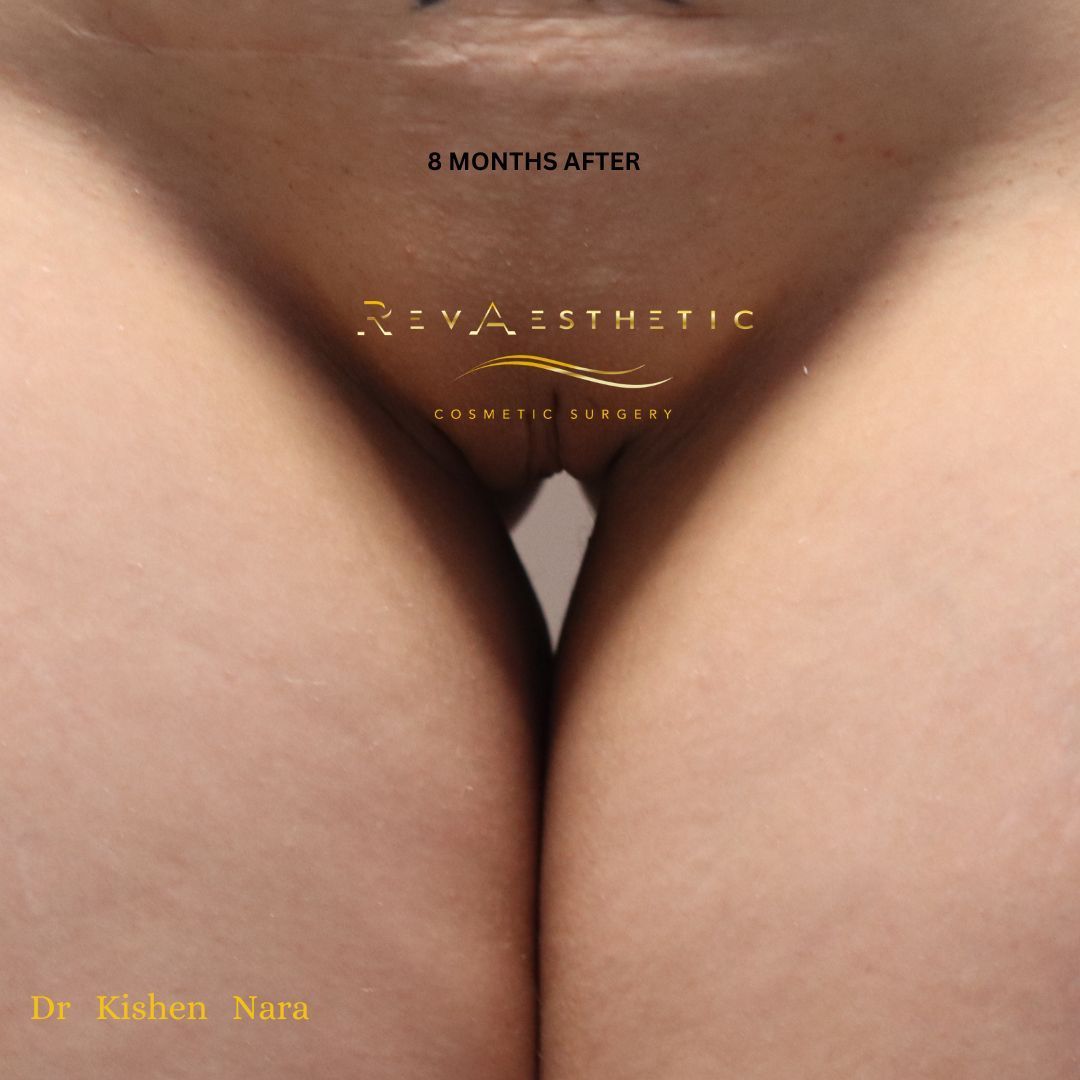
The 28 year old patient below from Hobart, Tasmania considered selective anatomic preservation labiaplasty with Dr Nara. As a busy working mother, she understood the responsibility required not just before but after surgery. Meticulous preparation and planning was taken to carefully plan surgery. She had considered labiaplasty primarily for symptomatic and hygiene reasons. In addition, the aesthetic selective anatomic preservation labiaplasty component was discussed to reduce the dimensions of the labia minora and clitoral hood and reduce the apparent height and width of the labia majora. This was carefully considered as to whether to perform this as a staged procedure or simultaneous procedure. After several comprehensive consultations, she considered the simultaneous labia minoraplasty, clitoral hood reduction and labia majoraplasty with the SAP selective anatomic preservation approach pioneered by Dr Nara. She was compliant with the after care process. Results are shown below at the 8 month mark. She reports 0/10 discomfort at this stage.
To learn more about labiaplasty history, preparation, technique, and aftercare, read the ultimate guide to SAP (Selective Anatomic Preservation) labiaplasty by clicking the link below.
We are grateful to our patients that trust us to provide a tailored cosmetic service for their personal labiaplasty operations. All patients have different beliefs and backgrounds. We are especially thankful for them to allow us permission to post their results whilst maintaining their confidentiality so as to educate the viewer about the intricacies of labiaplasty. As we can see, all patients are uniquely different. Again, please be respectful when viewing the images.
