
01Article · Research note
Non-operative options —
for arthritis-related joint pain.
This is a brief explanatory note on platelet-rich plasma (PRP), which has been investigated as a non-operative option for arthritis-related joint pain, tendon problems and frozen shoulder. The note is for general patient interest, not a treatment recommendation.
02In short
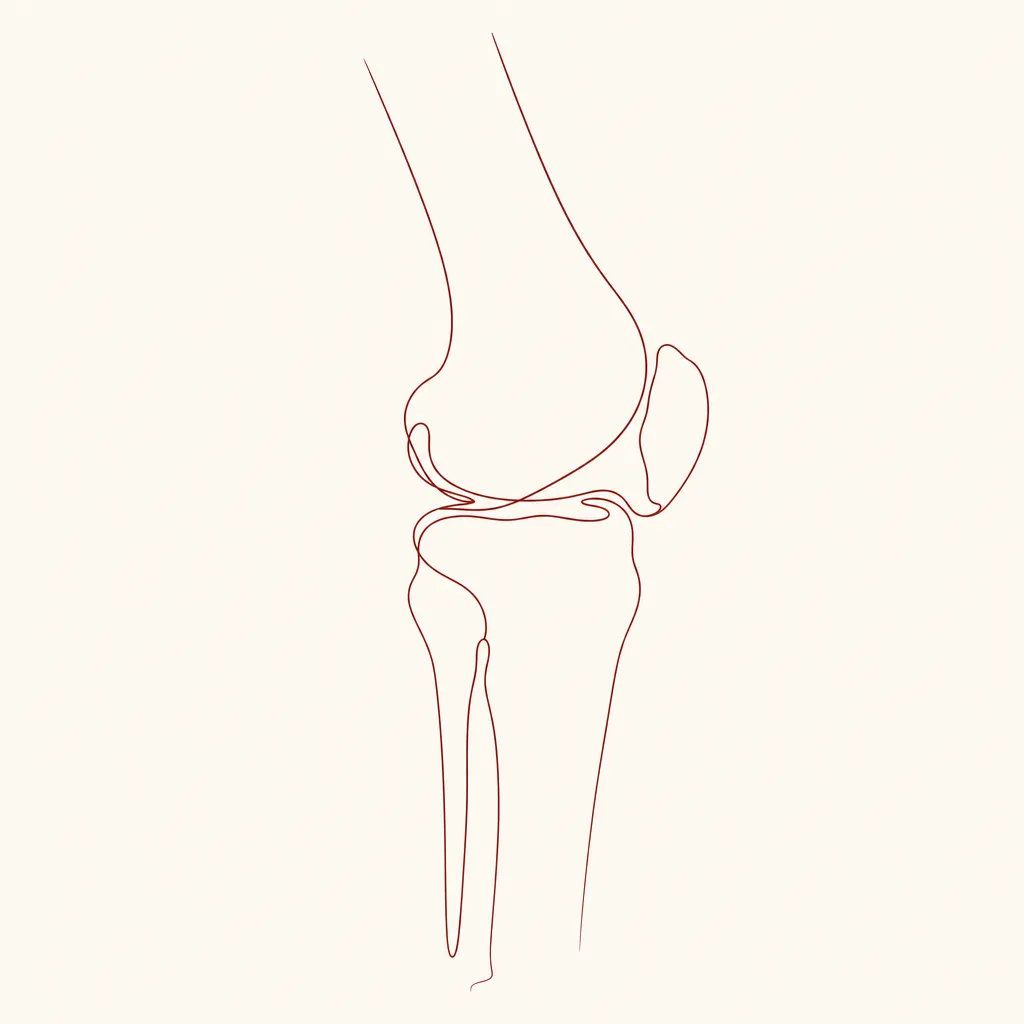
This is a general explanatory note on platelet-rich plasma (PRP), sometimes investigated as a non-operative option for arthritis-related joint pain, tendon problems and frozen shoulder. PRP is prepared from a patient's own blood and is not a substitute for specialist orthopaedic care where surgery is clinically indicated. Not all patients are suitable, and the evidence base continues to evolve.
03Why this note exists
A research interest —
alongside cosmetic care.
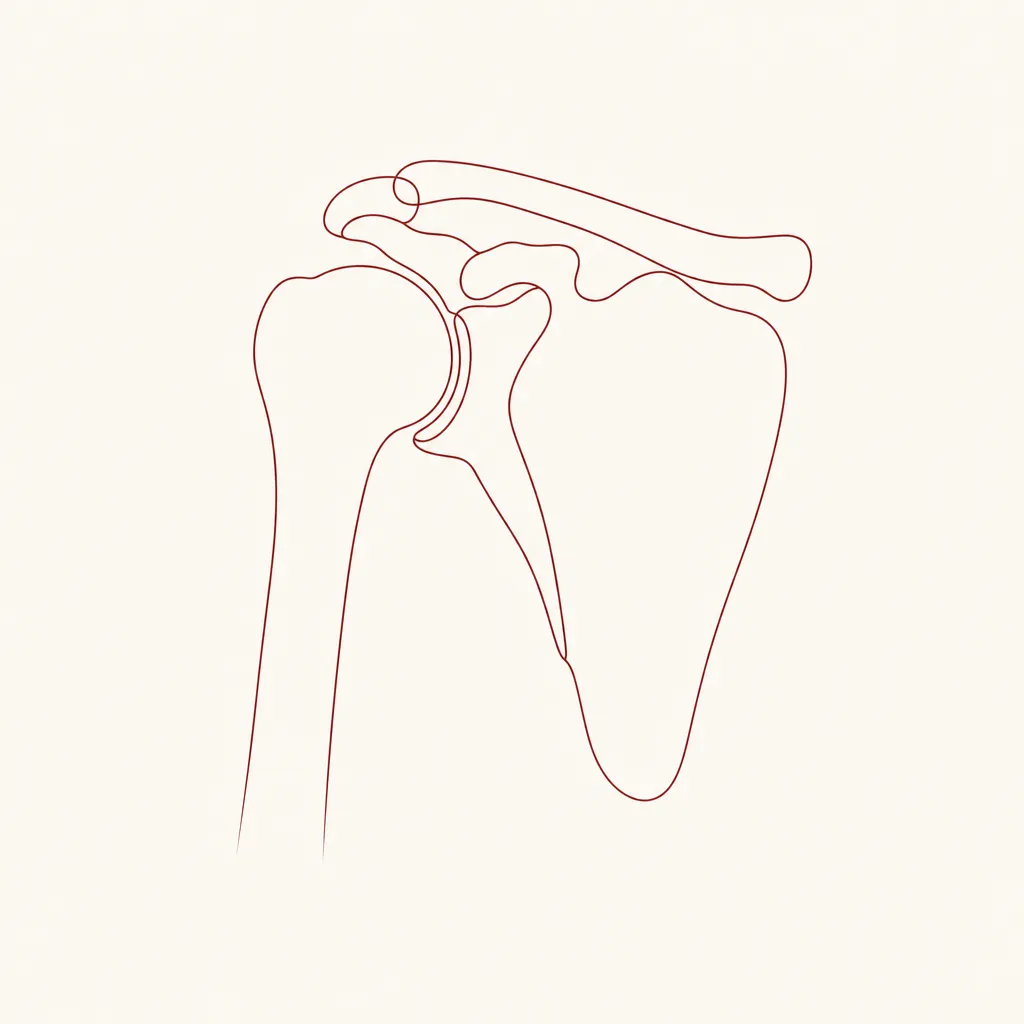
Dr Nara has a long-standing interest in non-surgical options for musculoskeletal problems. Before training in cosmetic medicine and surgery, his clinical work included extensive exposure to orthopaedic operations — joint replacements, elective surgery and trauma — and a year of dedicated training relating to musculoskeletal problems with a focus on frozen shoulder. He has also taught anatomy at Monash University.
PRP is prepared from a sample of the patient's own blood and injected at a site of injury or arthritis. The aim is to support the body's own healing rather than to replace tissue. Whether it helps, and for whom, depends on the condition, the technique, and the individual patient.
More on the potential risks of cosmetic procedures is available on our risks page.
— Dr Kishen Nara, RevAesthetic.

04PRP in plain English
Platelet-rich plasma,
in plain English.
Platelet-rich plasma (PRP) is prepared by taking a blood sample, spinning it down, and concentrating the platelet fraction. Platelets carry growth factors that play a role in the early stages of healing. The concentrated preparation is injected at the affected site.
PRP is investigational in many indications. Outcomes are variable and patient-specific. Where there is solid evidence in a given condition, that evidence guides the conversation; where there is not, the conversation is necessarily a cautious one.
05What PRP has been investigated for
The conditions —
and the limitations.
The two lists below outline conditions where PRP has been investigated as a non-operative option, alongside the general limitations that apply. Neither list is a recommendation — your individual circumstances will determine what, if any, of this is relevant.
Conditions sometimes considered
- Osteoarthritis-related joint pain.
- Tendon problems, including chronic tendinopathy.
- Shoulder problems, including symptomatic adhesive capsulitis (frozen shoulder).
- Some soft-tissue injuries where surgery is not yet indicated.
Limitations to be aware of
- Not all patients are suitable. Strict exclusion criteria apply, depending on individual medical history.
- PRP is not a substitute for orthopaedic surgery when surgery is clinically indicated.
- The evidence base continues to evolve — outcomes vary considerably between conditions and between patients.
- A consultation with an orthopaedic specialist may be needed alongside, or instead of, this option.
06An orthopaedic opinion alongside
Specialist input —
where it is needed.
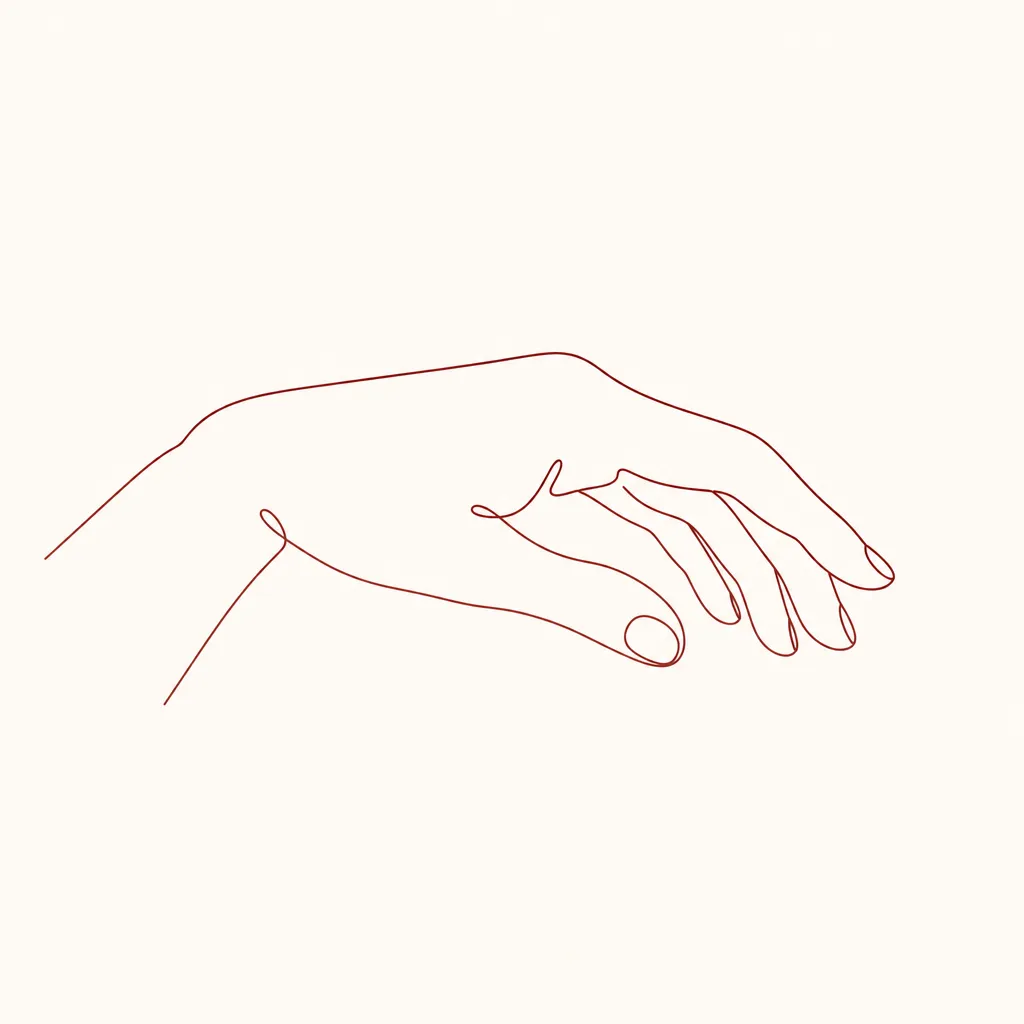
PRP does not replace specialist orthopaedic care. For some patients, a consultant orthopaedic opinion is the right starting point — particularly where surgical options are clinically indicated, or where imaging suggests structural change that needs evaluation by a specialist. A second medical opinion is encouraged at any stage.
Outcomes from any non-surgical or surgical intervention vary depending on the individual — genetic factors, medical history, lifestyle and the specific condition all play a part. What is reasonable for one patient may not be reasonable for another. The role of the consultation is to think that through carefully, rather than to recommend a treatment by default.
07About the practitioner
Dr Kishen
Nara.
Dr Kishen Nara is a registered medical practitioner. He sees patients across Melbourne, Tasmania and Adelaide. The team at RevAesthetic includes practice manager Cate, Patient Liaison Jenny, and registered nurses, all involved in supporting your enquiry.
All assessments are conducted in line with Medical Board of Australia guidelines. A second medical opinion is encouraged at any stage.
- MBBSBachelor of Medicine, Bachelor of Surgery — Monash University
- FACCSM(Surg)Surgical Fellow, Australasian College of Cosmetic Surgery and Medicine
- AHPRARegistered medical practitioner — General Registration MED0001201549
- AnatomyAnatomy demonstrator, Monash University — musculoskeletal teaching
08Enquire
Begin a
conversation.
Consultations are conducted personally by Dr Nara across Melbourne, Tasmania and Adelaide. We respond within one business day. There is a written reflection period before any decision, and a second medical opinion is encouraged at any stage.
09Continue reading
More from
the journal.
- 2026 Consultations and the Cooling-Off Period in Australia
What the Medical Board of Australia actually requires before cosmetic surgery: a GP referral, two consultations, psychological screening, a seven-day cooling-off period, and a written quote. - 2026 How to Check a Cosmetic Doctor's Registration
How to look up any Australian practitioner on the AHPRA register, what each registration type means, why "surgeon" is a protected title, and what FACCSM(Surg) is. - 2026 Travelling for Cosmetic Surgery
What patients in Tasmania, regional Victoria and South Australia should plan for: the required pathway, how many trips it takes, and what to ask before booking flights.
Disclaimer: This article is a general explanatory note, not a treatment recommendation. PRP is not appropriate for every patient and is not a substitute for specialist orthopaedic assessment where surgery is indicated. All medical procedures, including non-operative ones, carry inherent risks. We encourage you to seek a second opinion from a qualified medical professional before any procedure.