
What does blepharoplasty involve?
Blepharoplasty may remove or reposition skin and soft tissue in the upper eyelids, lower eyelids or both. The plan depends on eyelid anatomy, eye health, medicines and previous procedures. An assessment may lead to a decision not to have surgery.
Dr Kishen Nara is a registered medical practitioner with general registration, MBBS and FACCSM(Surg), AHPRA MED0001201549. You can check a doctor's registration and qualifications before arranging a consultation.
All surgical procedures carry risks and results vary. Blepharoplasty risks include bleeding, infection, scarring, dry eyes, difficulty closing the eyes, altered eyelid position and, rarely, loss of vision. Read the eyelid surgery risks and consider a second opinion before deciding.
If you have new eyelid drooping, changes in vision or difficulty reading or driving, speak with your GP about an eye-health assessment. Cosmetic surgery is not a substitute for investigating those symptoms. Our eyelid surgery and driving article explains the distinction.
Upper eyelids, lower eyelids or the brow?
These areas need separate assessment. What looks like an eyelid concern may also relate to brow position or an eye-health condition.
- Upper eyelid lift
- Considers skin and other tissue in the lid above the eye. The assessment includes the eyelid crease, brow position and ability to close the eye.
- Lower blepharoplasty
- Considers skin and tissue below the eye. The plan must account for lower eyelid support, position and contact with the eye.
- Brow lift
- Changes eyebrow position. It is a different operation from eyelid tissue reduction, with its own assessment and risks.
Blepharoplasty does not stop ageing or reliably remove dark circles or crow's feet. It does not automatically lift the brow. Discuss what could change, what would remain and the option of no surgery.
General procedure information: Better Health Channel's eyelid surgery guide and Healthdirect's blepharoplasty guide.
How much does eyelid lift surgery or blepharoplasty cost?
Can I claim blepharoplasty on Medicare or private health?
What are the risks of blepharoplasty or cosmetic eyelid surgery?
How long after blepharoplasty until I look normal?
Upper eyelid lift or lower eyelid blepharoplasty?
-
01 What should I avoid after blepharoplasty?
Follow the written aftercare instructions for your operation. These may restrict bending, heavy lifting, strenuous exercise, rubbing the eyes, contact lenses and eye make-up while the area heals. Ask when you can resume each activity. Arrange transport home and do not drive until your vision and recovery allow it and your treating team has advised you. Read more about eyelid surgery and driving. -
02 What is a suitable age for blepharoplasty?
There is no single age that establishes suitability. The assessment considers your eyelid anatomy, eye health, medical history and reasons for considering surgery. Ageing is normal, and surgery is optional. Discuss what concerns you and what an operation could realistically change, including whether it is appropriate to proceed at all. -
03 Eyelid lift or brow lift?
Blepharoplasty changes tissue in the eyelids. A brow lift changes the position of the eyebrows. A low brow can contribute to the appearance of upper eyelid heaviness, so assessment needs to consider both areas. Eyelid surgery does not automatically lift the brow, and the two operations have different risks. Dr Nara will discuss which structure relates to your concern and whether any procedure is appropriate. -
04 Skin only or skin and muscle tissue removal?
The amount and type of tissue considered for removal depends on eyelid anatomy, eye health and the proposed operation. Removing more tissue is not automatically appropriate and can affect eyelid closure or position. At consultation, ask which tissues would be changed, why that approach is proposed, and what alternatives and risks apply to you. -
05 How long is the incision or the cut?
There is no single incision length for every patient. The proposed length depends on the tissue being treated, the shape of the eyelids and the technique. Ask Dr Nara to explain the planned incision and likely scar position during your assessment. All incisions leave scars, and healing varies. -
06 Where are the incisions or the cut normally placed?
For upper eyelid surgery, an incision is commonly placed along the eyelid crease. Lower eyelid surgery may use an incision below the lashes or inside the lower lid, depending on the procedure. These are general approaches, not a recommendation for your eyelids. Dr Nara will explain the proposed technique, scar location and risks after assessing you. -
07 What if I have discomfort after surgery?
Some discomfort, bruising and swelling can occur after eyelid surgery. Your treating team will provide an individual aftercare plan and explain who to contact. Seek prompt medical advice for severe or increasing pain, sudden changes in vision or other unexpected symptoms. Do not wait for a routine follow-up appointment if you are concerned. -
08 How do I sleep after blepharoplasty or eyelid lift surgery?
Your aftercare instructions will explain how to rest and whether to keep your head raised while swelling settles. Avoid pressure or rubbing on the eyes and follow the advice for your operation. Keep water, tissues and the clinic contact details within reach, and ask your treating team if discomfort is preventing sleep. -
09 When can I return back to work after blepharoplasty or eyelid lift surgery?
A general planning guide is one to two weeks away from work, although some people need longer. The operation, healing, vision and demands of your job all matter. Desk work and physical work may require different arrangements. Confirm a realistic plan with your treating team before arranging leave, and allow for follow-up appointments. -
10 How do I get good results of blepharoplasty or cosmetic eyelid lift reduction surgery?
Results vary and may not match your expectations. Start by checking your doctor's registration and qualifications, discussing specific concerns and understanding the limits and risks of the proposed procedure. Take time to consider alternatives, including no surgery and a second opinion. After surgery, follow your individual instructions and contact the clinic with concerns. Our registration guide explains what to check. -
11 What are the common aesthetic issues with the eyelids?
People ask about upper eyelid skin folds, fullness above or below the eyes, or differences between the two sides. These features vary naturally and do not by themselves mean surgery is needed. Assessment considers eyelid tissue, brow position and eye health so that the discussion relates to your own concern. -
12 Eyelid surgery tips to consider
Write down the concerns and questions you want to discuss. Bring your GP referral, medicine and eye-drop list, and details of previous eye procedures. Ask about the doctor's registration, the proposed technique, alternatives, recovery and follow-up. You do not have to decide at the first appointment. Take time to think and seek a second opinion. -
13 Tips for lower eyelid blepharoplasty surgery
Ask how the proposed operation may affect lower eyelid support, position and closure. Discuss dry eyes, previous eye surgery and any existing symptoms. Lower eyelid surgery has risks that include the lid pulling away from the eye, and may need a different approach from upper eyelid surgery. Understand the recovery and follow-up plan before deciding whether to proceed. -
14 What has to happen before surgery can be booked?
Australia has a defined sequence for cosmetic surgery and it applies at every practice. You need a referral, preferably from your usual GP and from someone who does not perform cosmetic procedures themselves; two pre-operative consultations, with at least one in person with the doctor who will operate; a psychological screening using a validated tool; and written information covering the procedure, the risks and the full itemised cost. A cooling-off period of at least seven days then runs after both consultations are complete and consent has been signed, and nothing is booked inside that window. We have set the whole sequence out in consultations and the cooling-off period in Australia, and you can check any practitioner's registration first using our guide to checking a doctor's AHPRA registration. -
15 What will blepharoplasty not change?
Eyelid surgery does not stop ageing. It does not reliably remove dark circles or crow's feet and is not the same as a brow lift. Some concerns relate to eye health or other facial structures rather than eyelid tissue. A consultation should explain these limits, the option of no surgery and whether another assessment is needed.
Consultation & process
What happens before eyelid surgery?
Bring your concerns and questions. The consultation process covers your health, expectations, alternatives and the risks of a proposed operation. You can choose not to proceed.
- 01
GP referral and preparation
Arrange a referral from your GP before the substantive consultation. Bring your medicine and eye-drop list, previous eye-procedure details and questions. New vision symptoms may need assessment through your GP first.
- 02
Two consultations and assessment
At least two pre-operative consultations are required, with at least one in person with Dr Nara. A first Zoom discussion does not replace that in-person assessment. Medical and psychological assessment, including screening with a validated tool, forms part of the process.
- 03
Consent and time to consider
Discuss the proposed procedure, alternatives, risks and recovery before consent. For adults, the cooling-off period is at least seven days after both consultations are complete and informed consent has been given. Surgery cannot be booked within that period.
- 04
Plan the procedure and recovery
If you decide to proceed, confirm the proposed facility, anaesthesia, transport home, support and follow-up arrangements with the clinic. A consultation address does not establish the surgery venue. Keep the aftercare and contact instructions available during recovery.
Read the consultation and cooling-off guide or the Medical Board of Australia guidance.
Before & afters
Before & afters — Dr Nara's patients
Disclaimer: The before and after results shown are specific to these individual patients. All results shown are not generalisable as individual results vary significantly based on genetics, anatomy, medical conditions, goals and lifestyle. Always consider a second opinion with a medical professional prior to any surgery.
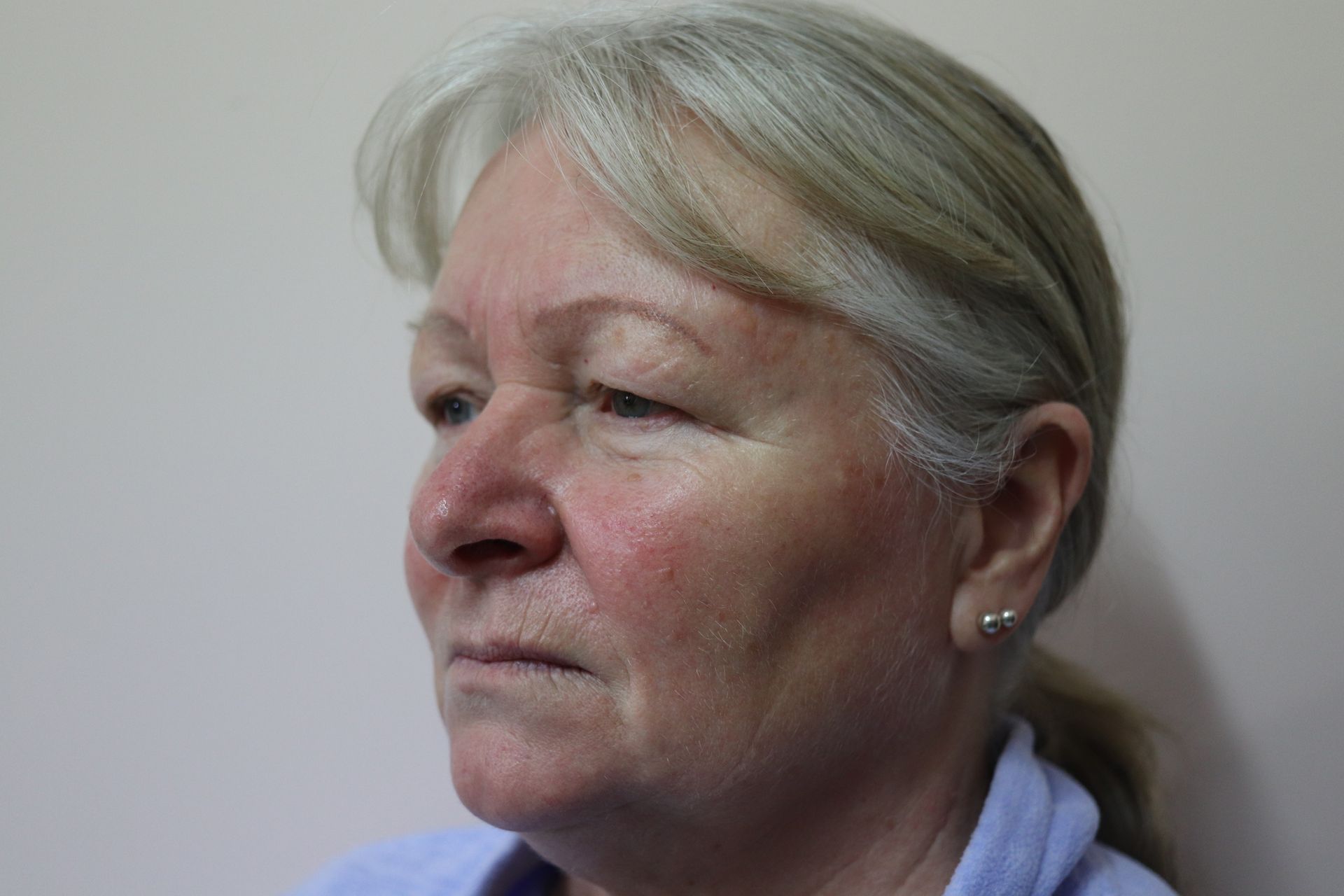
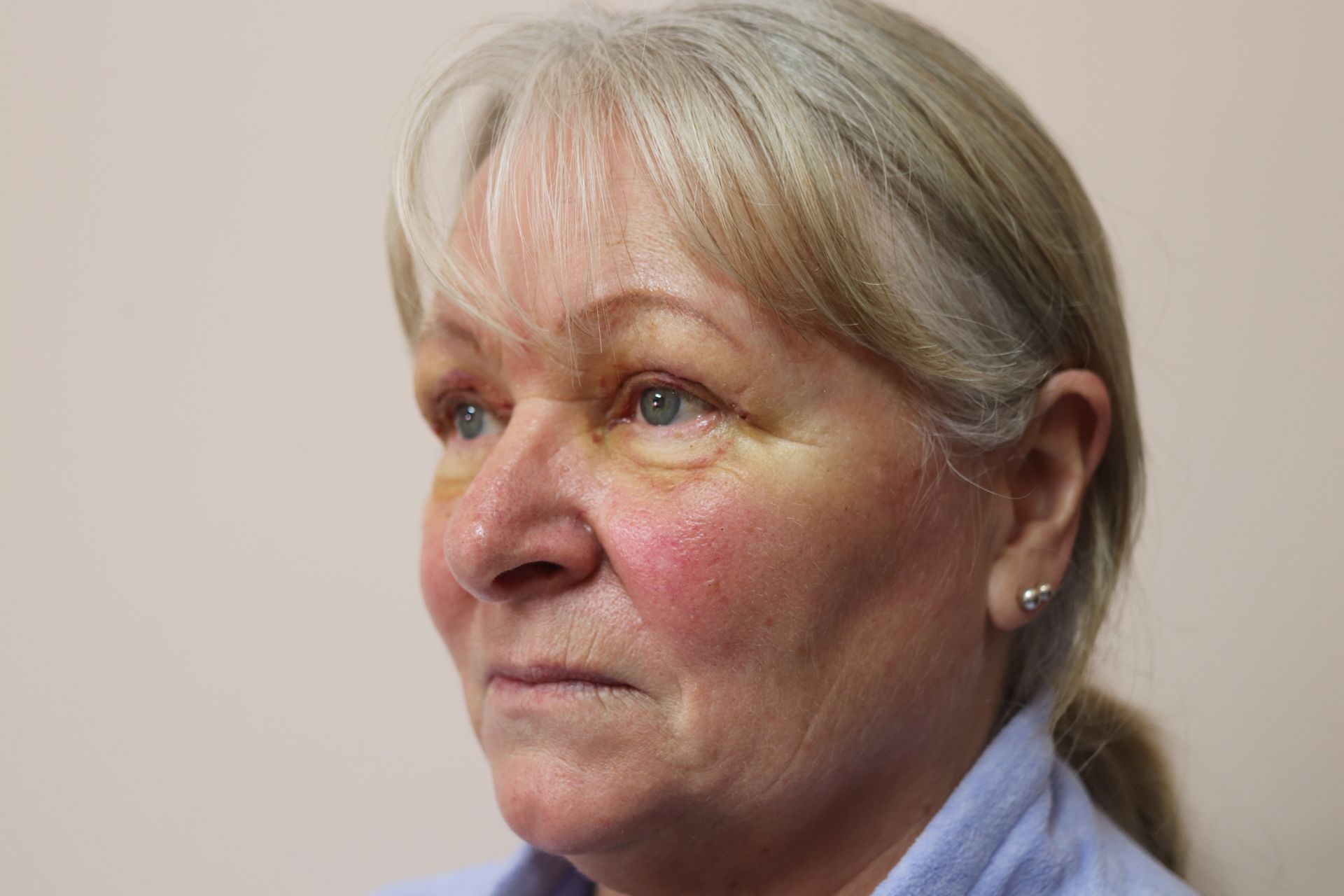
63yo woman · revision upper blepharoplasty with left brow lift
63yo woman who decided to have upper eyelid cosmetic surgery. She previously had upper eyelid surgery 20 years ago.
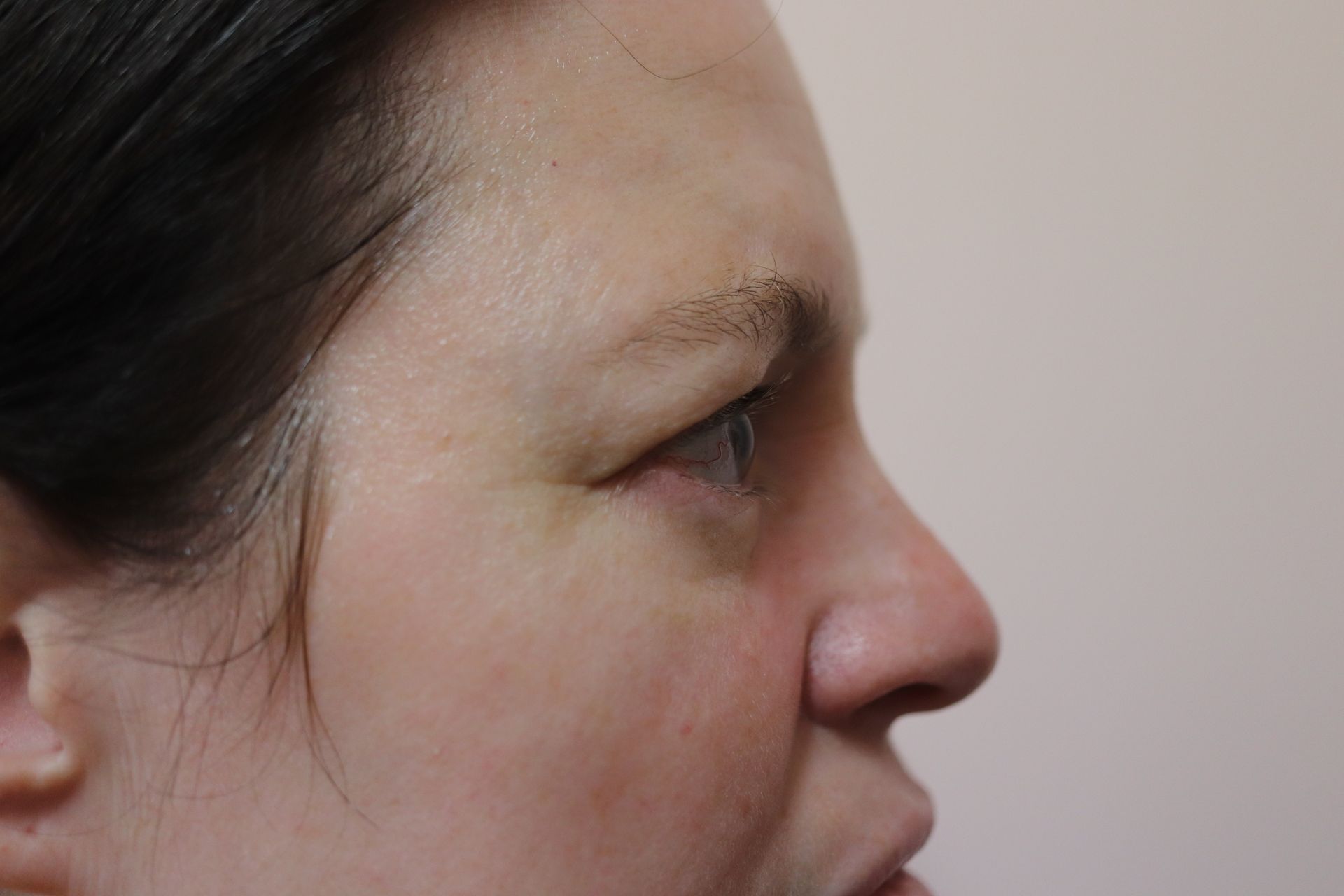
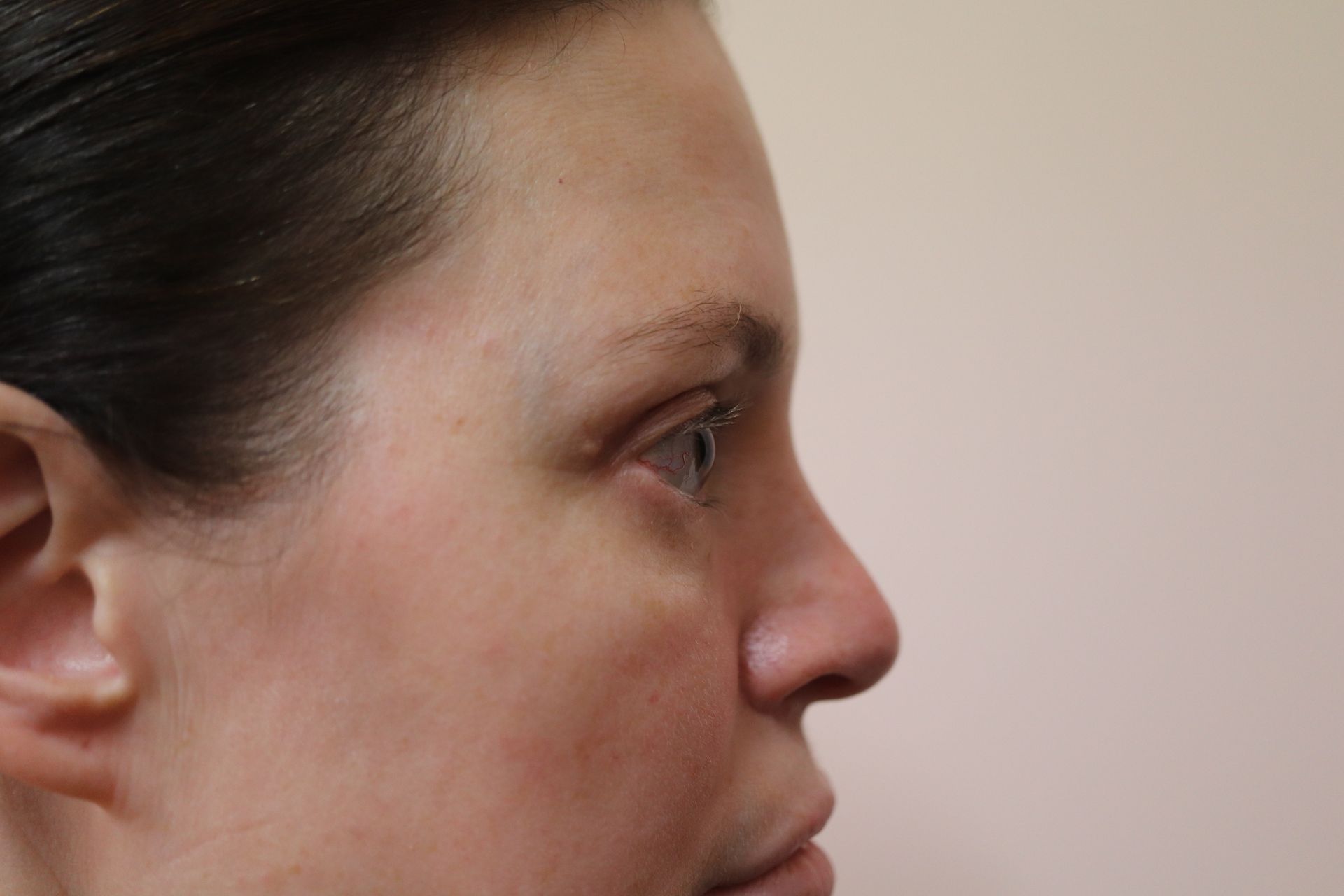
43yo woman · upper blepharoplasty with triple-eyelid correction
43 yo woman who decided to have upper eyelid lift cosmetic surgery. Over the years she progressively developed excess soft tissue predominantly on the right upper eyelid.
66yo woman · upper eyelid lift
66yo woman who decided to have upper eyelid lift cosmetic surgery. She had been considering this for many years and took time to make an informed decision.
43yo mother of three · upper eyelid lift blepharoplasty
43yo woman who is the mother of three children had upper eyelid lift blepharoplasty. This was an extensive and comprehensive process in order for her to consider the options available.
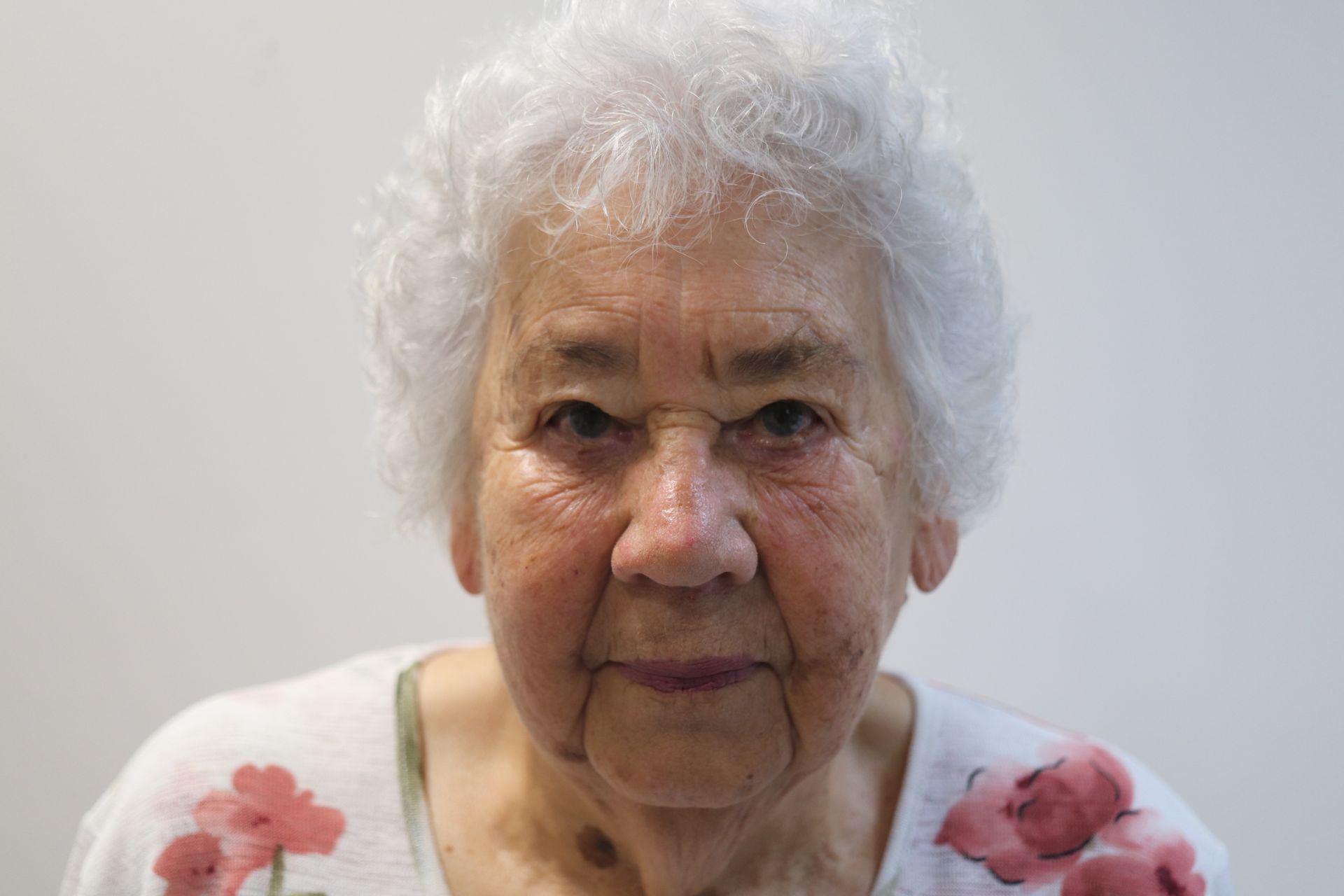
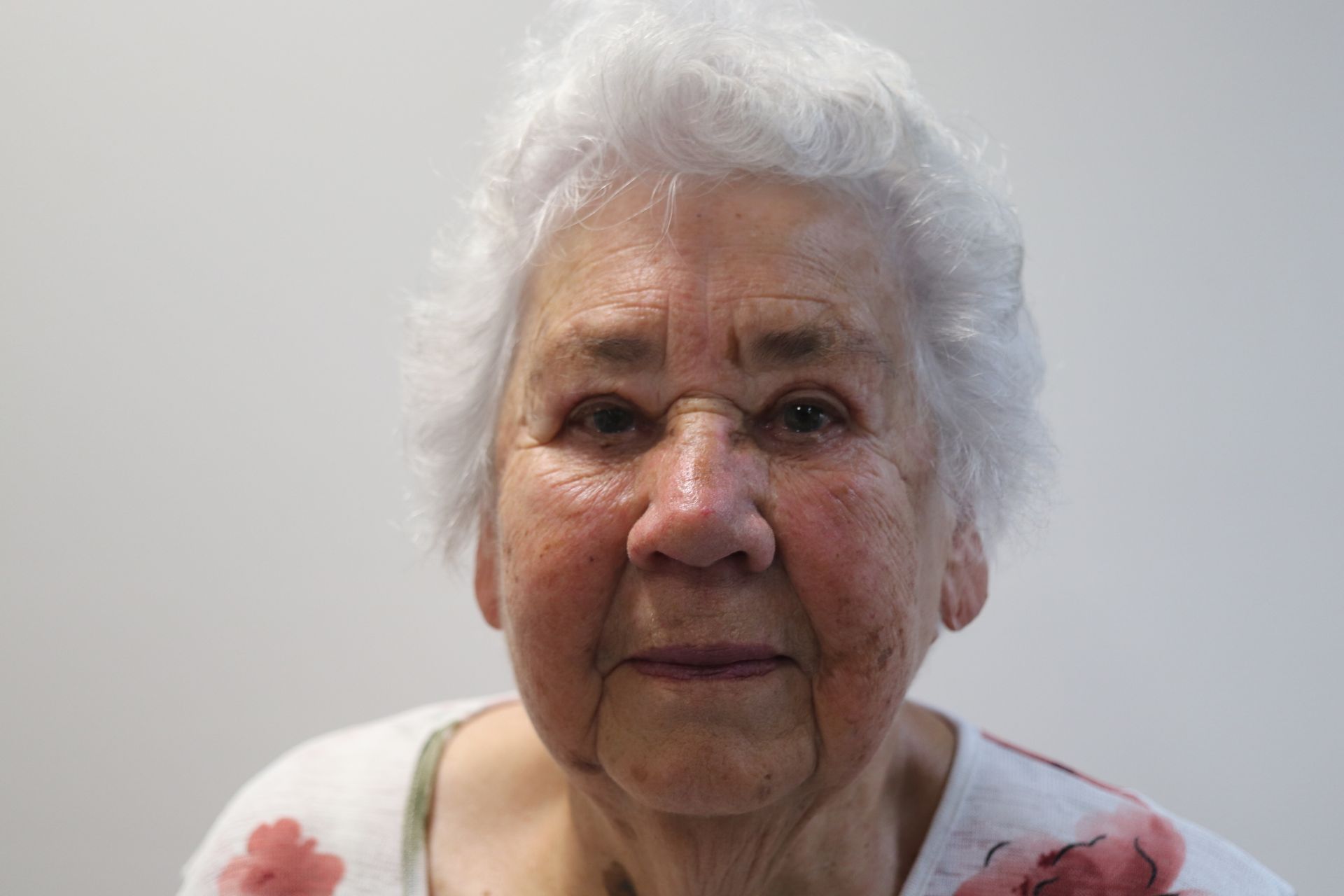
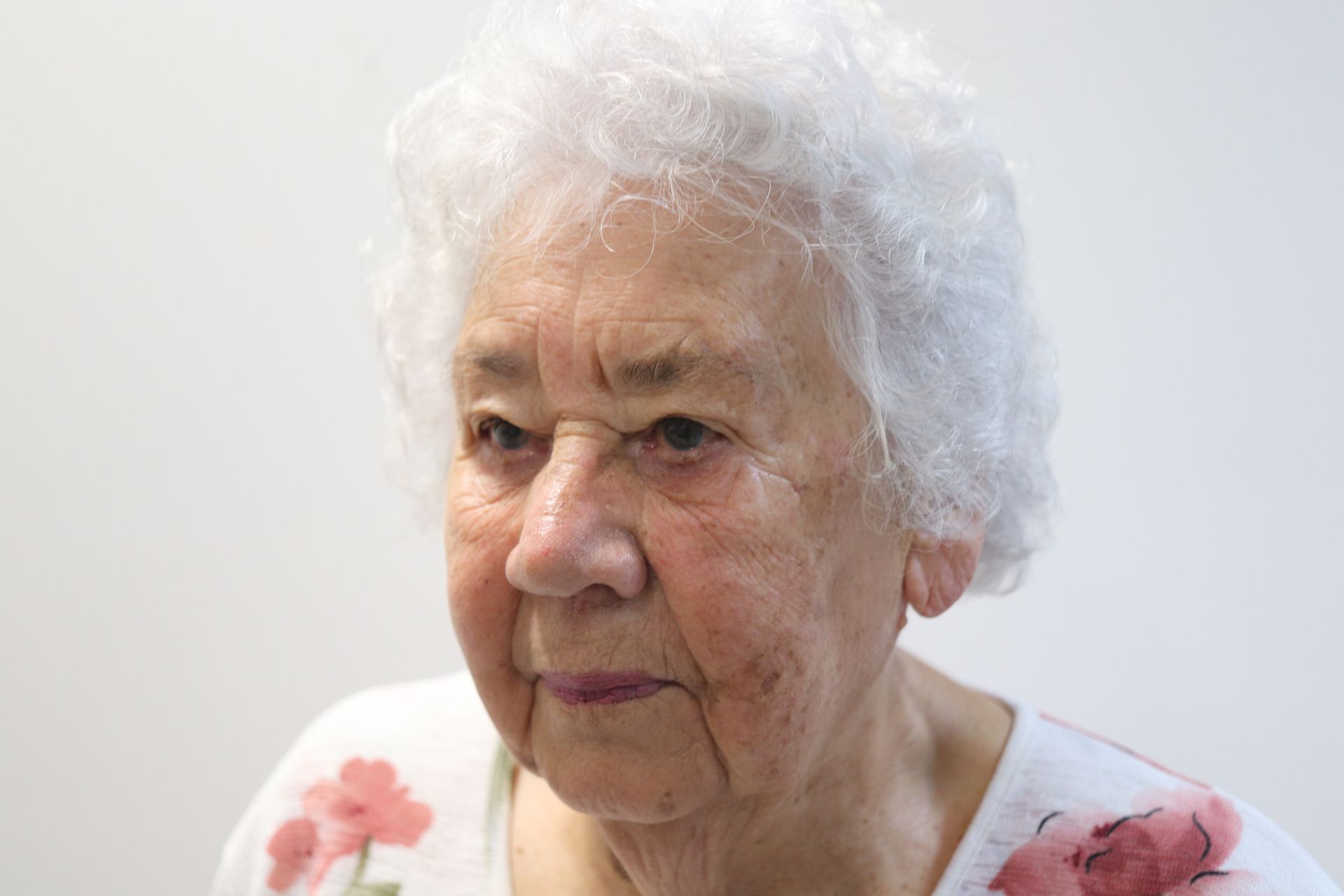
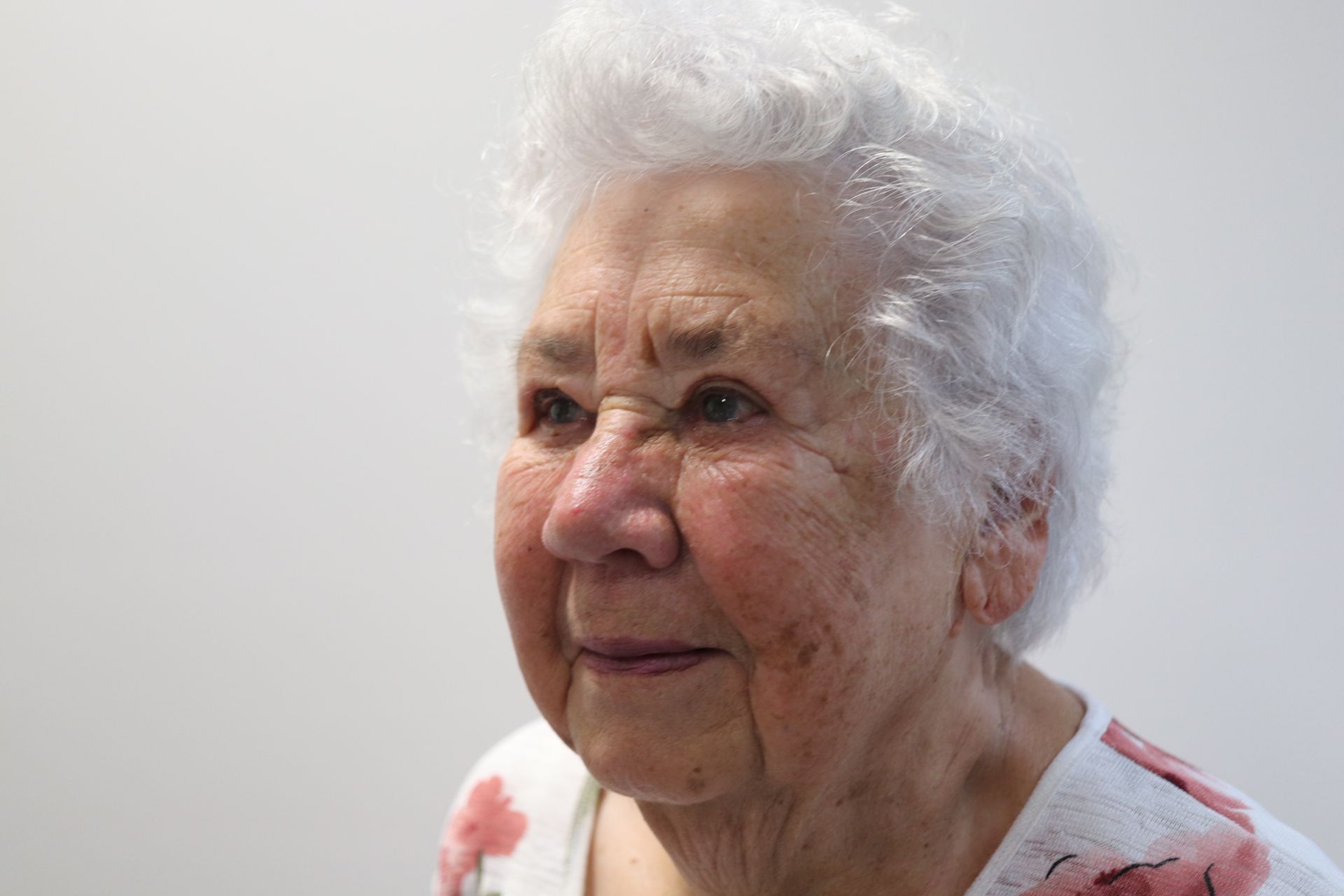
90 year old patient · upper blepharoplasty
90 year old patient as below who considered upper blepharoplasty or upper eyelid surgery with Dr Nara. Considering the patient's respective medical history, approval was sought from the patient's specialist cardiologist.
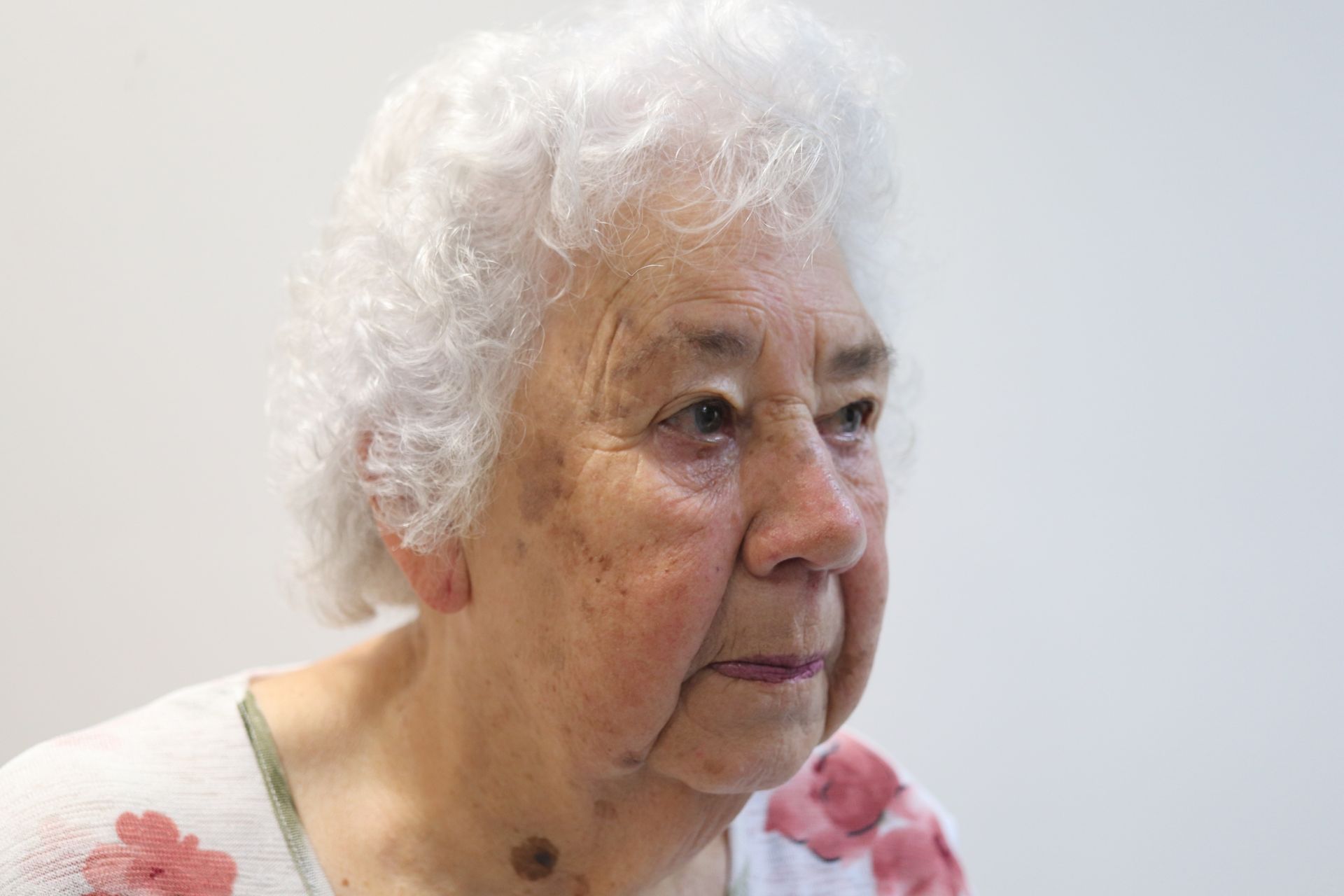
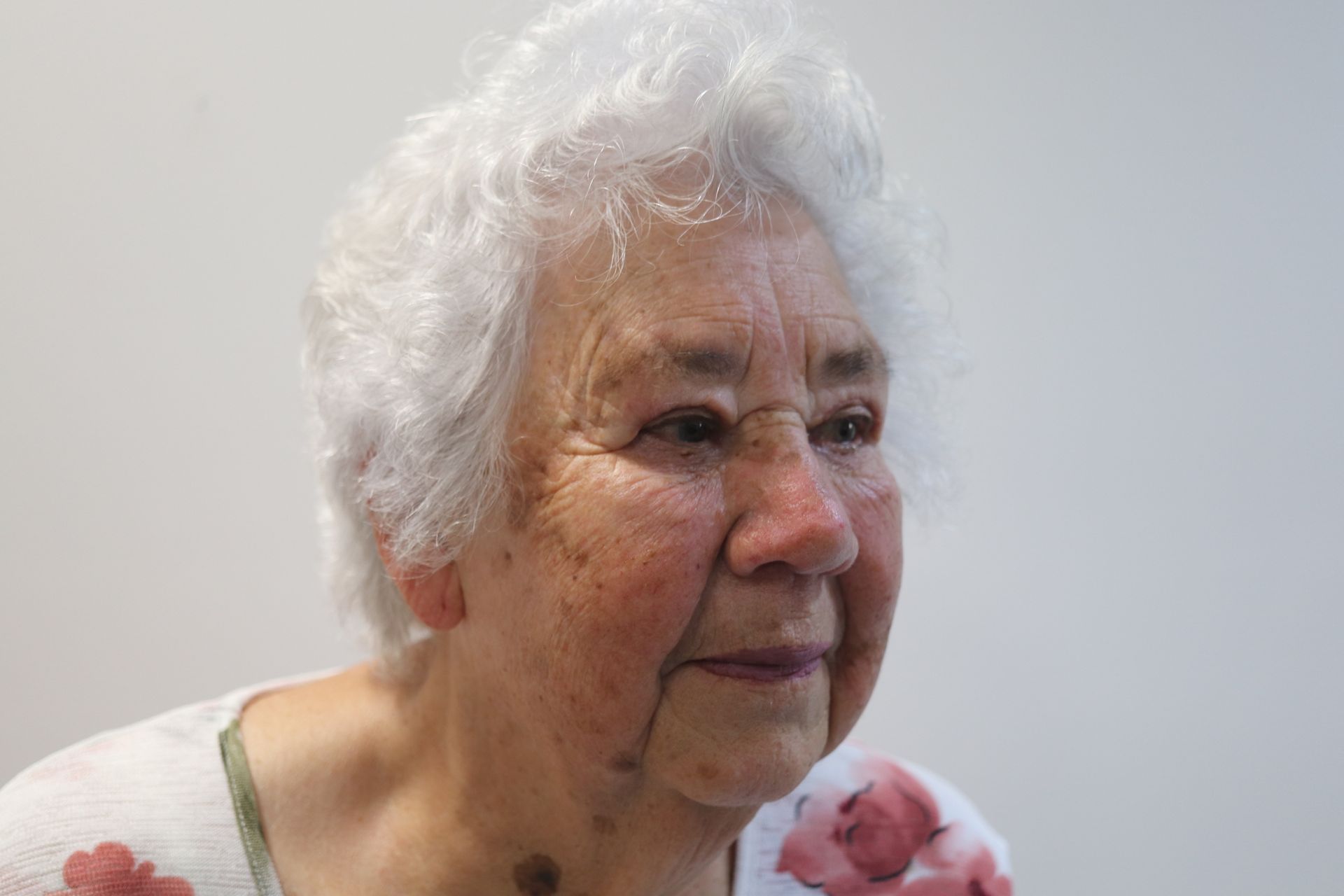
Results vary from patient to patient as each case is unique with respect to the respective patient and cannot be generalised. Results vary based on the stage of recovery after surgery, genetics, medical illness or other factors such as smoking that may reduce the capacity to heal. Always consider a second opinion with a medical professional prior to any surgery.
Cases in detail
A range of blepharoplasty cases Dr Nara has seen
Each blepharoplasty case is different — revision work, lower lid combined with mid-facelift, brow asymmetry, or careful work in older patients with cardiology clearance. The notes below describe individual cases from the years of Dr Nara's practice. They are not generalisable to your situation; assessment in person is the only way to know what may or may not be addressable for you.
-
Previously had upper eyelid surgery 20 years ago. Revision upper blepharoplasty with left brow lift to correct brow asymmetry. Surgery also involved removal of old scar tissue and definition of a new plane of dissection. Compliant with all instructions after surgery and took a week off work. Result at 5 months.
-
A consultation regarding lower blepharoplasty and upper blepharoplasty. After making an informed decision following the Medical Board of Australia guidelines, she had staged procedures. She started with lower blepharoplasty with mid-facelift and fat transposition, followed by upper blepharoplasty with canthopexies. Result at 3 months following the final stage of surgery.
-
An informed decision to have upper blepharoplasty, selected orbital fat removal and left brow lift after a comprehensive cosmetic and medical consultation with Dr Nara. The decision-making process unfolded across multiple consultations before proceeding.
-
Progressive right-upper-eyelid excess with correction of a triple upper-eyelid fold on the left, including careful redefinition of the existing eyelid crease. A separate patient from the 43-year-old plate in the gallery above — different anatomy, different surgical planning.
Results vary from patient to patient as each case is unique with its intrinsic risks and expectations. All operations have their inherent risks and limitations which will be discussed at the consult. potential risks of surgery.
Where to consult
Eyelid surgery consultations across three locations
Blepharoplasty consultations are available at Melbourne (Chadstone), Tasmania (Cooee) and Adelaide (Kent Town), with alternate consultation dates at Chelsea Heights and Hobart. The local pages explain the appointment locations and travel questions to discuss. Confirm any proposed surgery venue and follow-up arrangements separately.
- Blepharoplasty consultations in Melbourne →
- Blepharoplasty consultations in Tasmania →
- Blepharoplasty consultations in Adelaide →
Dr Nara also sees patients for other facial and feature procedures at the same rooms, including ear lobe repair for split or stretched lobes.
Begin a conversation
Reserve your consult
Ask about an eyelid surgery consultation with Dr Nara. The team can help with appointment locations and the information to bring.
Submitting this form sends your enquiry to Dr Nara's team. Please don't include sensitive medical details — those are discussed at consultation.