
01Article · Eyelid surgery
Does eyelid surgery —
help with driving?
Patients sometimes arrive having heard that blepharoplasty might improve their ability to drive. The honest answer is: sometimes, in some respects, for some people — and not in others. Driving is a multi-sensory task, and vision is only one of the inputs the brain combines.

02In short
Blepharoplasty can reduce visual-field obstruction only where excess eyelid soft tissue is mechanically blocking vision, and even then it does not touch the eyeball itself or guarantee an improvement in vision generally. Driving relies on five combined sensory inputs — vision, hearing, visuospatial perception, proprioception and kinesthesia — plus factors like medications, medical conditions and fatigue that surgery does not address. Whether eyelid surgery is relevant to any individual's fitness to drive is a question for a comprehensive consultation, not a general claim.
03Where the question comes from
A common question —
and a careful answer.
The question often arrives second-hand. A friend, a family member, or something read online suggests that eyelid surgery improved someone's driving. That can be true in narrow circumstances. It is also a misleading frame for the decision overall.
At RevAesthetic, every consultation is assessed in line with Medical Board of Australia guidelines, and every cosmetic enquiry includes a structured psychological screen. Where additional assessment is needed, that is arranged. A consultation with us does not equate to having surgery — it is the start of a careful conversation.
More on the potential risks of cosmetic surgery is available on our risks page. A second medical opinion is encouraged at any stage.
— Dr Kishen Nara.

04What the procedure does
Surgery to the eyelid —
not the eye itself.
Blepharoplasty is surgery external to the eyeball, working with the soft tissues of the eyelid. Those tissues sit above the structures that lift the eyelid, and around the tarsal sling — the band that helps support the eye in its socket. The deeper structures (nerves, fat compartments, vessels, lymphatics, the tear-duct system) are protected by the soft-tissue layers a blepharoplasty addresses.
Over time, some patients want to alter the skin or soft tissues that overlie the eyelid fat compartments — to change shape, form, or the weight that excess skin can produce. Because this is an elective decision, we encourage patients to learn more during a personalised, comprehensive consultation rather than to arrive with a fixed plan.
For an overview of the procedure itself, see our eyelid lift page.
05Vision and visual fields
Does it help
with vision?
It can help with the visual fields when, and only when, the soft tissues of the eyelid are mechanically obstructing vision — most commonly in the upper outer quadrant. Upper eyelid surgery may remove a portion of those soft tissues, which means the mechanical obstruction is reduced.
Beyond that specific scenario, blepharoplasty is not known to improve vision. It does not involve any surgery to the eyeball itself. Patients with visual symptoms, persistent issues, or concerns unrelated to mechanical obstruction should see their general practitioner, who may refer to an ophthalmologist for further assessment. Some patients have ptosis — a different issue from cosmetic alteration of eyelid shape — and may be candidates for ptosis repair, which is a distinct procedure.
After blepharoplasty, some patients experience temporary visual blurring, discomfort or swelling, and these do affect driving in the short term.
05bWhat recovery looks like
Day nine —
after upper eyelid surgery.
A short clip from a patient at day nine after upper blepharoplasty in Melbourne, shared with consent. Bruising and swelling are still resolving — typical of this stage and not generalisable to other patients.

06Driving is multi-sensory
Vision is one input —
not the whole task.
Driving is a sensory, motor and cognitive task. To drive a registered vehicle in Australia legally, a person needs a current licence and a registered, road-worthy vehicle — and beyond that, a body and mind functioning across several systems at once.
Vision is one of five sensory inputs the brain uses while driving. The other four are described below. Even when surgery improves a specific visual element, the other inputs continue to matter.
The Austroads "Assessing Fitness to Drive" framework is the standard reference in Australia.
07Inputs and summary
The senses driving uses —
and what to take from this.
Five sensory inputs combine while driving. The summary on the right is what we ask patients to take away from this conversation, regardless of where they end up on the surgery question.
Five sensory inputs
- Vision — including visual acuity, contrast and visual fields.
- Hearing — picking up traffic, sirens, and the sounds of the vehicle.
- Visuospatial perception — judging distance, position and movement.
- Proprioception — sensing where your body is without looking.
- Kinesthesia — perceiving how your body is moving.
In summary
- Eyelid lift surgery may help mechanical visual obstruction in a select group of patients — but not all.
- A considered blepharoplasty does not, by itself, mean improved visual fields are guaranteed.
- Driving relies on sensory, motor and cognitive function combined — vision is only part.
- Psychological stress, medications and medical conditions also affect fitness to drive.
- Comprehensive consultation with your treating doctor is essential before any decision.
Other factors carry weight in fitness to drive — medications, medical conditions that affect decision-making, psychosocial stressors, fatigue. None of these are addressed by blepharoplasty. Some patients are better served by reviewing those factors first, with their general practitioner, and considering eyelid surgery only afterwards if it remains relevant.
08Anatomy
The eyelid —
structure and function.
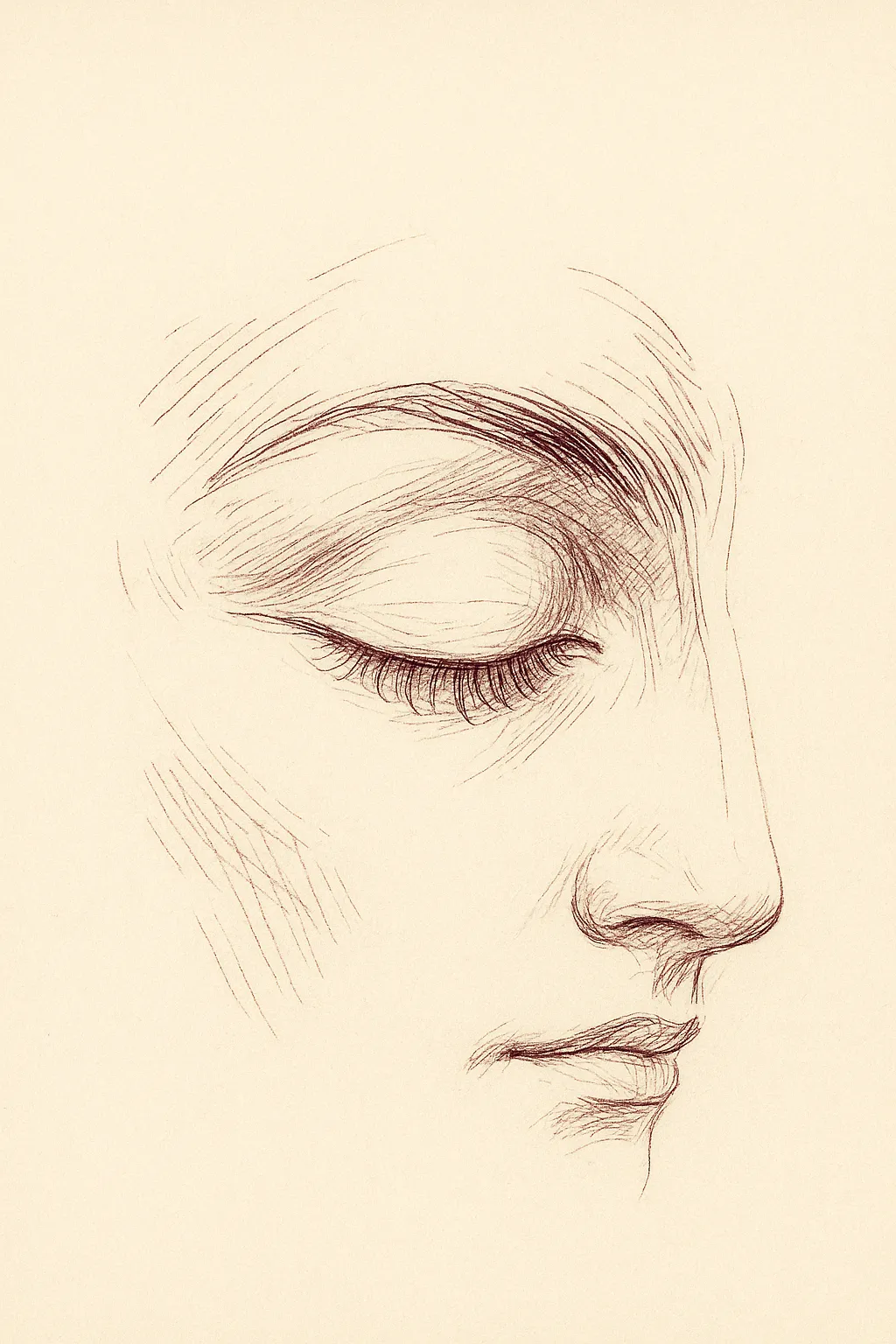
Blepharoplasty addresses the soft-tissue layers of the eyelid. The eye itself, the lifting muscles, and the deeper structures are not modified. The illustration below is a simplified diagram we use during consultations.
09About the practitioner
Dr Kishen
Nara.
Dr Kishen Nara is a registered medical practitioner. He sees patients across Melbourne, Tasmania and Adelaide. The team at RevAesthetic includes practice manager Cate, Patient Liaison Jenny, and registered nurses, all involved in supporting your enquiry.
All assessments are conducted in line with Medical Board of Australia guidelines.
- MBBSBachelor of Medicine, Bachelor of Surgery — Monash University
- FACCSM(Surg)Surgical Fellow, Australasian College of Cosmetic Surgery and Medicine
- AHPRARegistered medical practitioner — General Registration MED0001201549
- ACCSMCosmetic surgical training delivered through the Australasian College of Cosmetic Surgery and Medicine
11Continue reading
More from
the journal.
- 2024 A Guide to Cosmetic Eyelid Surgery
What blepharoplasty involves, suitability assessment, and recovery considerations. - 2026 Consultations and the Cooling-Off Period in Australia
What the Medical Board of Australia actually requires before cosmetic surgery: a GP referral, two consultations, psychological screening, a seven-day cooling-off period, and a written quote. - 2026 How to Check a Cosmetic Doctor's Registration
How to look up any Australian practitioner on the AHPRA register, what each registration type means, why "surgeon" is a protected title, and what FACCSM(Surg) is.
Disclaimer: All cosmetic procedures have inherent potential risks and complications. We encourage you to seek a second opinion from a qualified medical professional before any procedure. Material on this page is educational in nature and is not generalisable — outcomes vary significantly between patients depending on genetic composition, medical history and individual circumstances.