
What does breast augmentation with implants involve?
It can be difficult to separate implant size, surgical technique and recovery when you are deciding what to ask. Breast augmentation places an implant behind the breast tissue or chest muscle. Your existing tissue affects the options and their limitations.
Implants do not last for life. You may need later imaging, removal or replacement, and surgery may not give the result you expected. New swelling, pain, a lump or a change in breast shape should be assessed by a doctor. Read the TGA information on implant risks.
A consultation can include choosing not to have surgery. Bring your questions about the operation and the practical parts of recovery, including work, children and help at home.
Who typically considers breast augmentation
Patients come to see us about breast augmentation for a range of reasons. A few themes come up often, and whether any of these apply to you, and whether surgery is the right option, is assessed individually at your consultation with Dr Nara.
- Noticeable asymmetry between the breasts, or breasts that feel different in size to each other.
- Breasts that feel small in proportion to the rest of the body, or that have not developed as expected.
- Loss of fullness or volume following pregnancy, breastfeeding, or a change in weight.
Implants, a breast lift or review of existing implants?
These discussions address different issues. An examination may point to one option, a combined procedure or no surgery.
Healthdirect explains what a breast lift involves. The procedures are not interchangeable, and suitability is individual.
Every patient is unique, and none of the above assures suitability on its own. It varies from person to person and is worked through properly at a face-to-face consultation, not from a list.
Who assesses breast implant suitability at RevAesthetic?
Dr Kishen Nara, MBBS, FACCSM(Surg), is a registered medical practitioner with general registration, AHPRA MED0001201549. He assesses your medical history, breast tissue and goals before discussing whether breast augmentation is appropriate. You can read Dr Nara's background and our guide to checking a doctor's registration.
What does implant choice depend on?
Size, shape and surface are different decisions. Silicone gel and saline describe the filling; round and anatomical describe the shape. Your tissue coverage and chest dimensions also affect where an implant can sit and what limitations to expect.
Ask which device is proposed, why it is suitable and what its patient information leaflet says about risks. Some textured implants have been linked to BIA-ALCL. A product's presence on the Australian Register of Therapeutic Goods (ARTG) does not remove the risks of using it.
The Australian Breast Device Registry (ABDR) collects information about breast devices. Ask about participation at consultation; the registry uses an opt-out process at contributing practices, and participation is voluntary.
Where would the incision be?
Incision options include the breast fold (inframammary), around the areola (periareolar) and the armpit (transaxillary). Every approach leaves a scar. The planned operation, implant and anatomy affect which approach may be appropriate and its implications for sensation and recovery.
A confidential, balanced consultation
Dr Nara provides a personalised and confidential consult to build your understanding about breast augmentation with implants or fat graft to the breasts. The consult supports your decision-making process, whether you have surgery or not.
The patients in our gallery have significantly different goals and very specific requests. Careful, detailed assessments and surgical planning are required to both review and analyse their respective goals. Not all patients are suitable for cosmetic surgery, and it is important to make an informed decision before any cosmetic undertaking. Dr Nara will discuss your options at the consult regarding bilateral breast augmentation with implants — colloquially known as "boob job surgery" in Melbourne.
Dr Nara's approach to the consultation is to be balanced, realistic, informative and honest to assist you to make an informed decision.
Three reflective questions Dr Nara asks every patient:
- Is this the right time for you to look into surgery?
- Do you understand the implications?
- Can your body take it?
How much does breast augmentation cost? The price of breast implants?
Does Medicare or private health cover breast augmentation?
What are the risks of breast implant surgery?
How much downtime should I expect?
Under the muscle, over the muscle or dual plane?
-
01 Is a “boob job” or “breast enlargement” the same as breast augmentation?
“Boob job” and “breast enlargement” are everyday terms for breast augmentation, or augmentation mammoplasty. This is surgery to change breast volume or shape using implants. Dr Kishen Nara discusses suitability at our Melbourne, Tasmania and Adelaide consultation rooms. Breast augmentation, breast lift and breast implant removal are different procedures; an assessment may also lead to the decision not to have surgery. Read the risks of surgery before deciding. -
02 How long do breast implants last?
Breast implants are not lifetime devices, and later removal or replacement may be needed. The TGA notes that implants are often removed after 10 to 15 years, but this is not an expiry date or a promise that an implant will last that long. Ask Dr Nara about ongoing review and what changes should prompt an appointment. Read about revision breast implants and implant removal if you already have implants. -
03 Can I breastfeed after breast augmentation?
Breastfeeding may still be possible after breast augmentation, either fully or partially, but it cannot be assured. Your existing breast tissue and any effect of surgery on nerves or milk ducts may affect milk supply. Discuss future pregnancy and breastfeeding before choosing an operation. The Australian Breastfeeding Association explains breastfeeding after breast surgery. -
04 How do I choose the right implant size?
Implant size depends on your chest width, existing breast tissue, skin and the change you are considering. Volume in cubic centimetres (cc) is one measurement; it does not predict a particular cup size or the same appearance on two people. Dr Nara assesses the dimensions and the limitations at consultation. Our guide to choosing breast implant size explains the questions to bring. -
05 Will I have visible scars?
Breast augmentation leaves permanent scars. The position depends on the incision, and the colour, thickness and visibility change as healing progresses. Some scars remain raised, wide or noticeable. Dr Nara will discuss incision options and your history of scarring before surgery. -
06 Round or anatomical breast implants?
Round and anatomical (teardrop) describe implant shape. They differ in how volume and projection are distributed, and neither shape is suitable for everyone. Your tissue, chest dimensions and implant position affect the result as well as the device itself. Surface and shape are separate considerations: ask about the risks of any proposed implant, including BIA-ALCL associated with certain textured implants. -
07 What age is suitable for breast implants?
There is no single age that suits everyone. As with all cosmetic procedures at RevAesthetic, patients must be 18 years or older, and suitability beyond that depends on physical development, general health, psychological readiness and your individual goals. This is assessed on a case by case basis at your consultation with Dr Nara, not from an online form. -
08 Are there newer types of breast implants?
Breast implants differ in their filling, shape, surface and dimensions. Silicone gel and saline are different fillings; round and anatomical describe shape. A newer product is not automatically appropriate for you, and availability can change. Ask Dr Nara to identify any proposed device and provide its patient information leaflet; the TGA breast implant hub explains regulation and device risks. -
09 How long is the incision or the cut?
Incision lengths may vary depending on your goals, implant size, and surgical techniques used. Generally, incision lengths may vary anywhere approximately from 35mm to 70mm. Most importantly, consider who your doctor is, whether they are particular about surgical technique and whether you are having this operation in an accredited and licensed facility. -
10 Where are the incisions or the cut normally placed?
Common approaches include the breast fold (inframammary), around the areola (periareolar), and the armpit (transaxillary). Each leaves a scar and has different implications for access, tissue and sensation. The incision depends on the planned procedure and your anatomy, rather than a preference that can be settled online. -
11 Can incisions or the approach be done via the armpit?
Transaxillary breast augmentation or breast augmentation via an armpit incision can be performed in selected patients. Some patients may feel a preference for the incision to be done from the armpit crease. There are advantages and disadvantages that can be discussed at your consultation. There are risks that may occur with any surgery so it is important to discuss and learn about them prior to surgery. To learn more about the risks of surgery. Patients who had previous issues with scarring or are concerned about the scar under the breast may have a preference for transaxillary breast augmentation given the use of the armpit incision. The specific location about this can be discussed at your consultation with Dr Nara. -
12 What if I have discomfort after surgery?
Some pain, swelling and bruising can occur after breast augmentation, but new or worsening symptoms need assessment. Contact the practice or seek urgent medical care if you have severe pain, fever or a sudden change in a breast. Severe chest pain or difficulty breathing requires urgent help: call 000. Healthdirect explains recovery symptoms that need medical attention. -
13 How do I sleep after breast implants surgery?
Dr Nara will explain which sleeping position to use and when it can change. In the early period, you may be asked to sleep on your back and avoid pressure on the breasts. Keep essentials such as a water bottle, tissues and prescribed medicines within reach. If discomfort is stopping you from sleeping, contact the team rather than changing your care plan yourself. -
14 What is the most common complication from breast implant surgery?
Capsular contracture is one of the complications discussed before breast implant surgery. A scar-tissue capsule normally forms around an implant; contracture occurs when it tightens, which may cause firmness, pain or a change in shape. It does not happen to everyone, and risk varies. A review is needed if you notice a change, and further surgery may be considered depending on the findings. -
15 When may I restart exercises following breast implants surgery?
Your return to exercise needs to follow your own aftercare instructions. Walking, running, upper-body training and high-intensity exercise place different demands on healing tissue, so they may resume at different stages. Dr Nara will discuss the type of exercise you do and when it can be reassessed. Do not use a general online timeframe as clearance to restart. -
16 If I have larger breasts would this change my aftercare?
The implant size, its projection and the amount of tissue supporting it may affect your aftercare and activity advice. Larger volume is not suitable for every person and may place more demand on the overlying tissues. Discuss the size you are considering alongside your work, exercise and longer-term risks, rather than choosing a volume in isolation. -
17 Do you only see patients from Melbourne?
No. Breast implant consultations are available in Melbourne at Chadstone, with selected Chelsea Heights dates, Tasmania at Cooee, with alternate Hobart dates, and Adelaide at Kent Town. Patients travelling from regional areas, including Launceston, can use the local pages to check consultation options. Confirm any surgery venue and review arrangements separately before making travel plans. -
18 What is pain like after breast implant surgery?
Pain and discomfort are expected after breast implant surgery, especially early in recovery, but the degree varies. Dr Nara will discuss pain management and the symptoms that should prompt contact with the team. Pain that worsens or feels different from what you were told to expect should be assessed. -
19 When can I get back to work?
This depends on the work you do as well as how you recover. A desk-based role and a job involving lifting, driving or repeated arm movements need different planning. Discuss your actual duties with Dr Nara before arranging leave, including whether a gradual return is possible. -
20 When may I resume my routine exercises?
Ask separately about walking, running, weights and high-intensity exercise. Dr Nara may advise a staged return over several months, depending on the operation and your progress. The recovery planning guide below explains the stages to discuss; your individual instructions take precedence. -
21 When can I expect a good full recovery?
Healing and implant settling continue beyond the first few weeks and may take several months. Returning to work or an activity does not mean that all healing is complete. Progress varies, and ongoing review matters even after you have returned to your routine. -
22 Capsular Contracture
The capsule is scar tissue that forms around a breast implant. If it tightens, the breast may become firm or painful, or its shape may change. This is called capsular contracture. Treatment depends on the severity and may involve revision surgery; contracture can recur. -
23 Implant Rupture or Deflation
An implant shell can rupture, and the signs differ between saline and silicone gel implants. A saline implant may lose volume, while silicone rupture may occur without obvious symptoms. Ask about the review or imaging appropriate for your device and circumstances. A single annual percentage does not describe every implant or patient. -
24 Breast Implant Illness (BII) & ALCL Awareness
Some patients report systemic symptoms potentially linked to implants (BII), although scientific consensus is evolving. Breast Implant-Associated ALCL is a rare lymphoma linked to certain textured implants. Dr Nara will openly discuss these risks and your implant choices during your consultation. -
25 I already have breast implants and am looking into revision breast surgery?
Start with our revision breast implants information if you are considering a change to existing implants or their position. Taking implants out without replacing them is a different decision, covered on the breast implant removal page. A consultation is needed to assess your implants, tissue and reasons for considering further surgery. -
26 What has to happen before surgery can be booked?
Australia has a defined sequence for cosmetic surgery and it applies at every practice. You need a referral, preferably from your usual GP and from someone who does not perform cosmetic procedures themselves; two pre-operative consultations, with at least one in person with the doctor who will operate; a psychological screening using a validated tool; and written information covering the procedure, the risks and the full itemised cost. A cooling-off period of at least seven days then runs after both consultations are complete and consent has been signed, and nothing is booked inside that window. We have set the whole sequence out in consultations and the cooling-off period in Australia, and you can check any practitioner's registration first using our guide to checking a doctor's AHPRA registration.
Concurrent procedures
Can other procedures be combined with breast augmentation?
Yes — other operations may be performed concurrently with breast augmentation. The decision is always based on patient suitability, anaesthetic time, recovery profile and your own informed consent.
-
Liposuction
To address areas of the trunk, flanks or axilla in the same operation. Read more about liposuction.
-
Breast lift (mastopexy)
For patients with ptosis where implants alone won't address the position of the breast. Read more about breast lift.
-
Fat graft surgery
Autologous fat transfer to soften upper-pole transitions or add small volumes where implants alone may not address the area.
-
Abdominoplasty (tummy tuck surgery)
Colloquially known as tummy tuck surgery — discussed thoroughly at your consult if it is an additional area of concern. Read more about tummy tuck surgery.
All combined-procedure plans are made at the consultation with your full understanding of the additional risks and recovery implications. Read the risks of surgery. Every breast operation we offer is listed on our breast procedures page.
Consultation & fees
Our fee structure for breast augmentation
The consultation that you will have at RevAesthetic with Dr Nara is tailored to you. We focus on developing a personalised consultation experience with the utmost focus on your safety whilst achieving your realistic goals. It includes two consultations to assist you with understanding the process, the surgery, the risks and especially the aftercare required.
- 01
1st Consultation
A GP referral is required before the substantive cosmetic surgery consultation and may be brought to the appointment. Dr Nara assesses the relevant anatomy, discusses the procedure and its risks, and reviews your expectations. A chaperone is appointed for examinations.
- 02
2nd Consultation
The second consultation revisits your questions; at least one consultation must be in person with Dr Nara. Psychological screening and informed consent are part of the Medical Board of Australia pathway. Adults then wait at least seven days after both consultations and informed consent before surgery can be booked or a surgery deposit paid.
- 03
Consultation Fee
The cosmetic consultation fee for breast augmentation is $220 + GST ($242 in total). This fee is paid when you book. It is not refunded if you change your mind, but you can change your appointment by phoning or emailing the clinic at least 48 hours before your appointment, and your fee carries over to the new time. If you cancel or change your appointment with less than 48 hours' notice, or do not attend, the consultation fee is forfeited. If we need to cancel your appointment, you will receive a full refund.
- 04
Surgery Fee Structure
The overall cost of breast augmentation in Melbourne varies from patient to patient, and there is no fixed price. It includes but is not limited to the doctor's fee, anaesthetic fee (general anaesthesia provided by a consultant anaesthetist), operation theatre fee, implants, and consumables. The quote of surgery is provided by our practice manager, Cate. Dr Nara is a cosmetic doctor — private health insurance and Medicare rebates do not apply.
Before & after
Breast Augmentation Implants Before & After Gallery
The before and after results shown are specific to these individual patients. All results shown are not generalisable as individual results vary significantly based on genetics, anatomy, medical conditions, goals and lifestyle.
27-year-old · breast augmentation after weight loss · 6 weeks post-procedure
A 27-year-old patient who developed loss of fullness and mild to moderate droopiness of the breast tissue from weight loss. After careful cosmetic consultation and planning she decided to have 355cc high-projection implants inserted in tailored dual-plane pockets. She was compliant with post-operative care instructions and attained the outcome as shown. The results are shown here at 6 weeks from surgery.
.png)
.png)
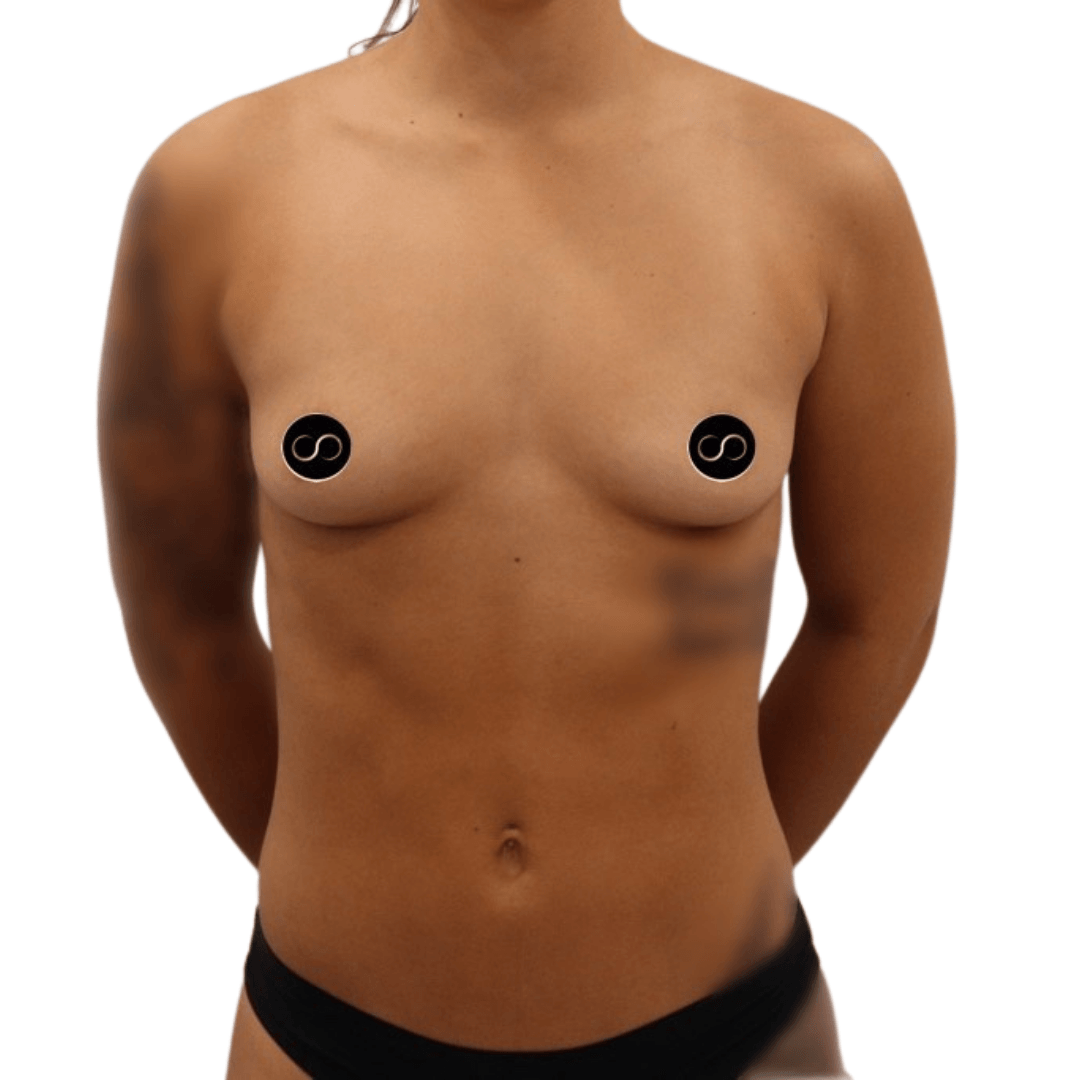
31-year-old mother of two · 440cc XHP dual-plane implants · 6 weeks post-procedure
A 31-year-old busy mother of two children who wanted a fuller, bolder look. She had tailored dual-plane pockets with 440cc extra-high-profile silicone gel implants that were carefully planned for her cosmetic journey. After considering all the risks and benefits of surgery she decided to proceed, achieving the result as shown. Results shown at 6 weeks from surgery.
-bca68121.jpg)
.jpg)
.jpg)
28-year-old mother · 380cc submuscular implants · 6 months post-procedure
A 28-year-old busy mother who decided to have breast augmentation to approximate the shape and volume of her breasts prior to pregnancy. She decided to have 380cc high-projection silicone gel implants placed in precision submuscular pockets. Results shown at 6 months. Her persistence and compliance with medical instructions advocates for her results.
.jpg)
.jpg)
23-year-old · 400cc subfascial silicone gel implants · 6 days post-procedure
A 23-year-old patient who considered breast augmentation with implants in Melbourne. She wanted to understand the right cosmetic plan for her breast implants surgery. After a comprehensive and tailored quality cosmetic assessment with Dr Nara in accordance with Medical Board of Australia guidelines, she consented to carefully planned cosmetic surgery. The assessment identified that her active lifestyle and clinical analysis warranted careful placement of 400cc silicone gel implants into a particular pocket plane in her soft tissues, performed under general anaesthesia. After 4 consultations to understand the nature of surgery and the risks of surgery, she decided to have 400cc implants inserted in the subfascial plane. Her pain score in the first 24 hours was ranging from 0–1/10. Results shown are 6 days from surgery.
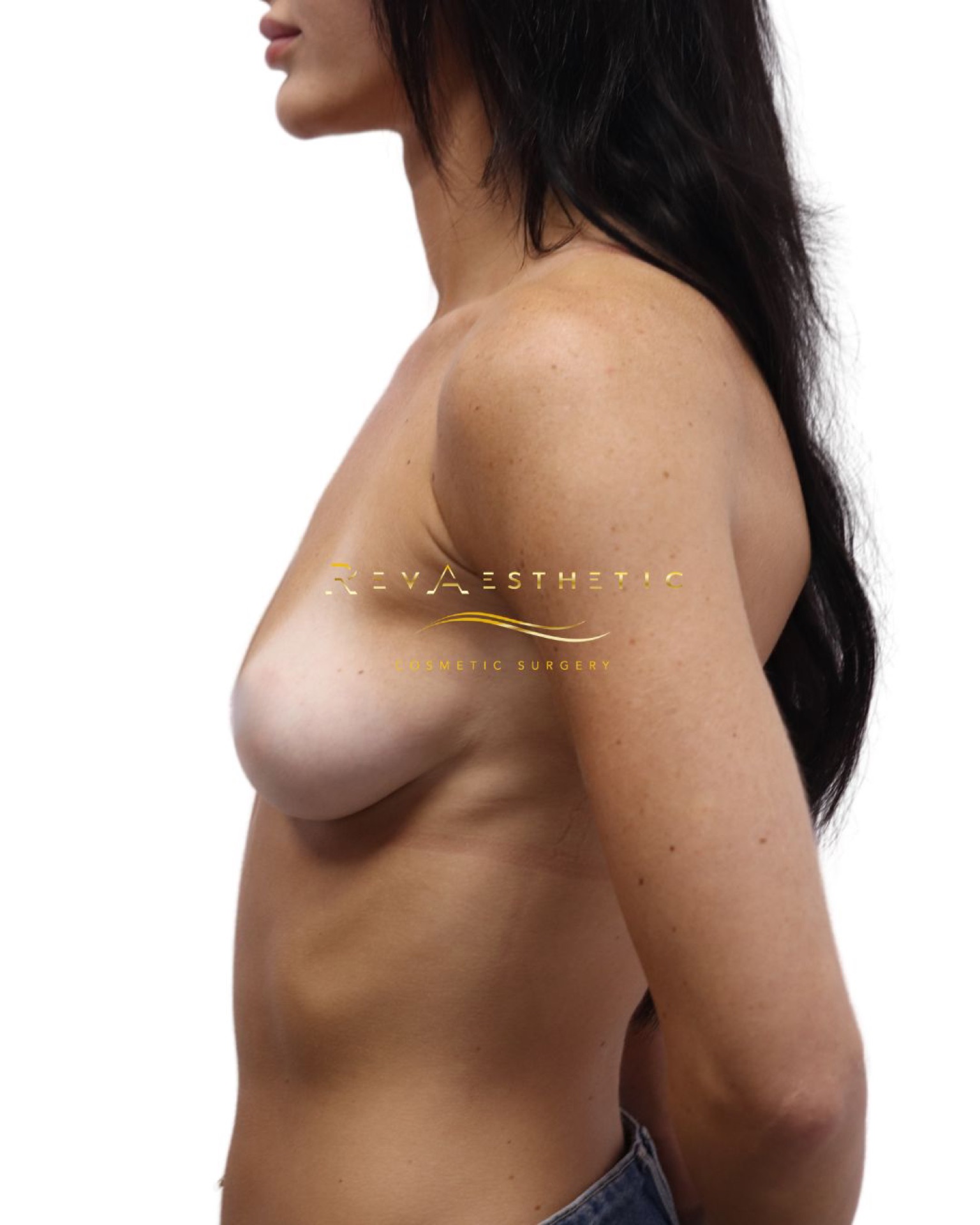
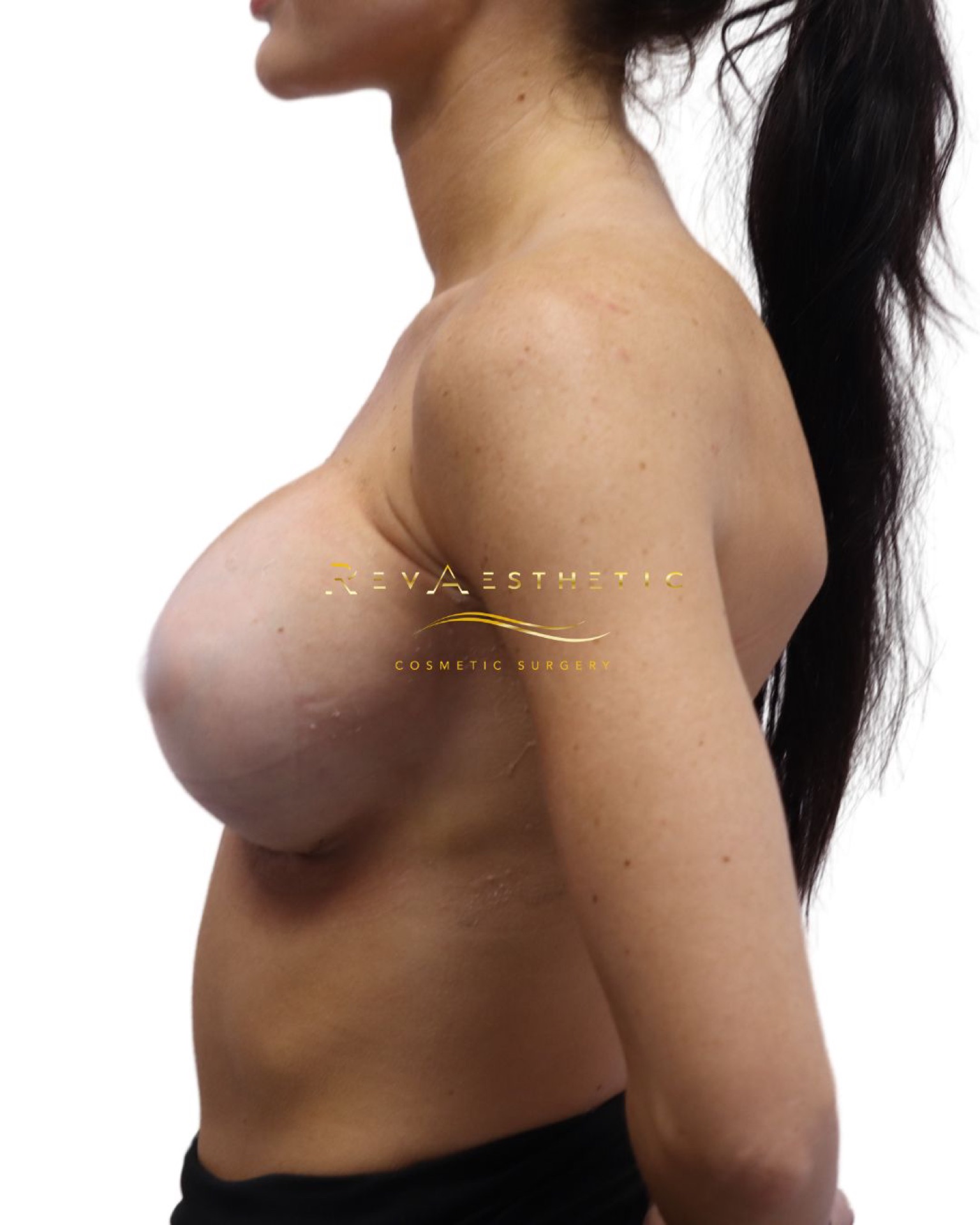
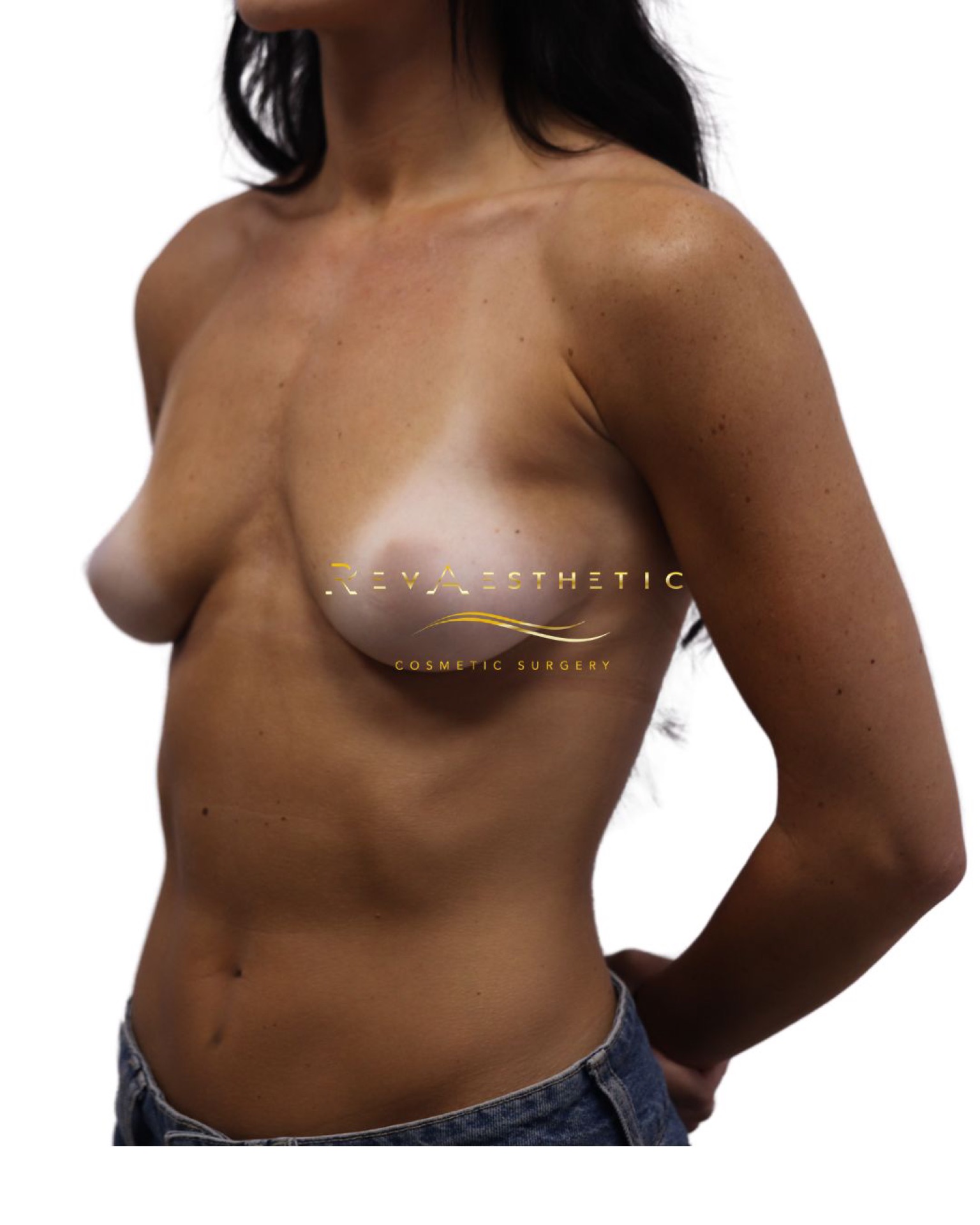
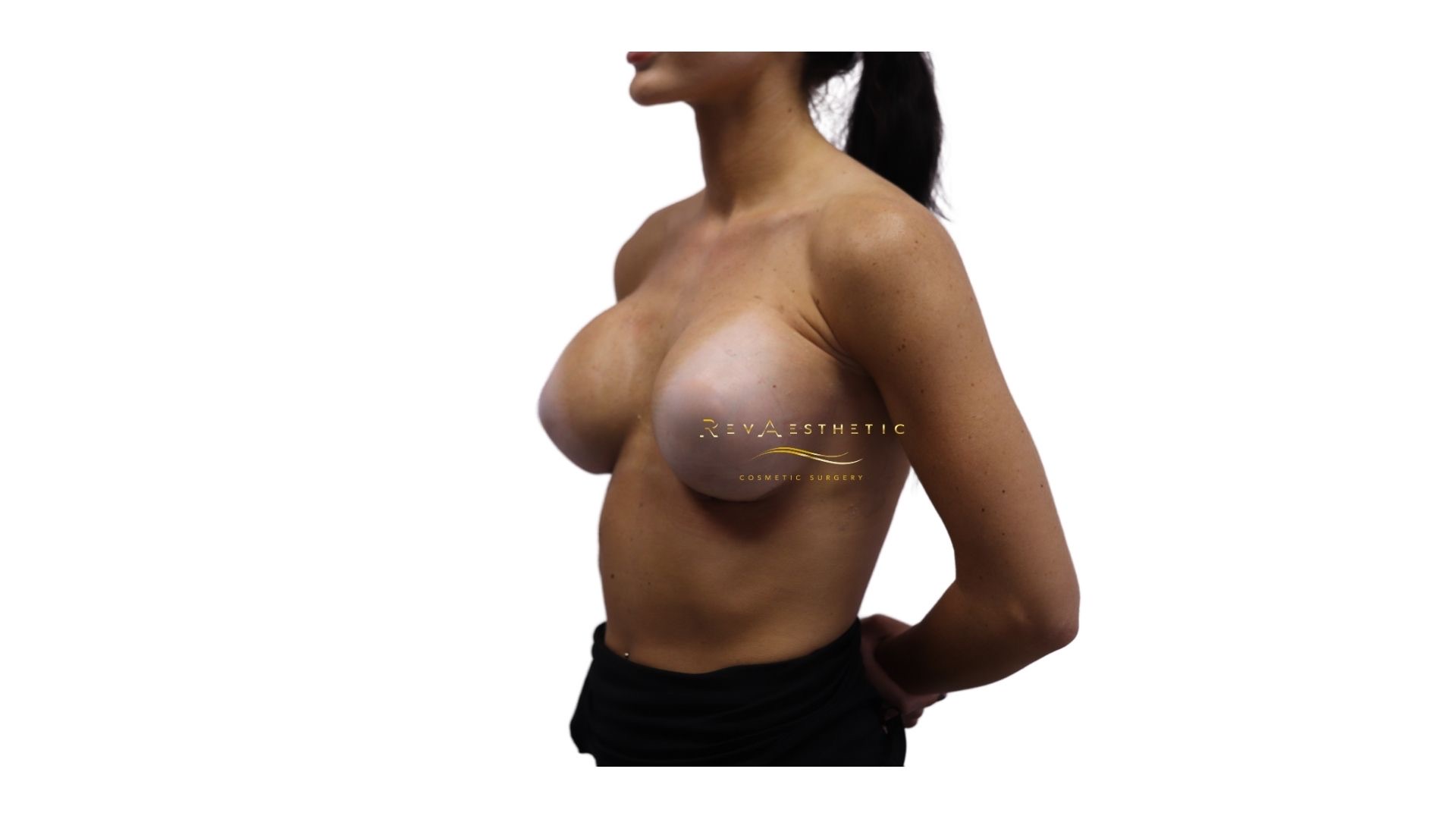
We are grateful to our patients who have put their trust in us over the years to perform breast augmentation surgery for them. In doing so we have obtained their consent for before and after images to be displayed. Please be respectful when viewing these images as they are strictly for adult viewing and for educational purposes.
Where to consult
Breast implant consultations across three locations
Breast implant consultations are held at Melbourne (Chadstone), Tasmania (Cooee) and Adelaide (Kent Town), with selected alternate dates at Chelsea Heights and Hobart. Each local page explains the room, contact details and questions to resolve before travelling. The consultation address does not confirm where a later operation would take place.
Begin a conversation
Ask about breast augmentation
You can ask about a breast implant consultation before deciding which option to discuss. Use this form for an enquiry, or use the online booking link to choose an appointment. Suitability and implant choice are assessed with Dr Nara.
Submitting this form sends your enquiry to Dr Nara's team. Please don't include sensitive medical details — those are discussed at consultation.