
01Article · Recovery
Five practices
for a considered recovery.
Recovery after labiaplasty is part of the procedure, not an afterthought. The five practices below are drawn from what patients have shared with our team across many post-operative weeks — small, ordinary things that, in combination, make the early healing period easier on the body and the mind.

02In short
Recovery after labiaplasty is an active process, not downtime to push through. The five practices patients find most useful are: treating the first week as genuine rest, eating light and regular meals, staying generously hydrated, sleeping on the back at first to keep pressure off the operated area, and pacing the return to work and exercise rather than rushing it. Specific timing always depends on the individual procedure and Dr Nara's post-operative instructions, which take precedence over any general guidance.
03From the aftercare team
The first week
matters most.
Most of the questions we receive in the days after SAP labiaplasty in Melbourne are not surgical. They are practical — how to sit comfortably, what to eat, when to drive, what to tell the workplace. None of these are unusual questions, and none of the answers are dramatic.
Every recovery is individual. Healing depends on anatomy, the type of labiaplasty performed, medical history, and the realities of life outside the consulting room. The notes below are general — your specific recovery instructions will come from Dr Nara during your post-operative review, and they take precedence over anything you read here.
Information about the potential risks of cosmetic surgery is available on our risks page, and a second medical opinion is encouraged at any stage.
— Jenny, Patient Liaison.


04Practice one · Rest
Rest is not
doing nothing.
The most common misconception about post-operative rest is that it is passive. It is not. Rest in the first week is an active process — letting tissue heal, letting swelling settle, letting the systems that normally run in the background do their work without competing demands.
Many of our patients have full schedules — work, children, sport, study — and treat rest as something to fit around the rest of life. After labiaplasty, that order needs to invert for at least a week. Reduce decisions, reduce stimulation, reduce the urge to "get back to it." Patients who allow themselves a real seven days tend to describe a smoother recovery than those who push through.
What rest looks like is personal. Some patients reach for a quiet activity — reading, meditation, an undemanding TV series, journaling. Others find structured creative work soothing. The point is to remove what is loud and let the body lead.
05Practices two & three
Eat plainly,
drink generously.
Two practices that go together. Healing tissue is metabolically active — it asks for hydration and for nutrient-dense food, neither of which need to be elaborate.
Diet · light and regular
- Eat lightly in the first few days — small, regular meals beat large heavy ones.
- Limit processed starches and ultra-processed foods that can slow gut transit.
- Berries and other vitamin-C-rich fruit support natural healing pathways.
- Avoid alcohol for at least two weeks; it interferes with sleep, hydration and inflammation.
Rest · the active version
- Treat the first seven days as part of the procedure, not separate from it.
- Reduce the cognitive load: minimal driving, minimal household decisions, minimal screens if you can manage it.
- Allow other people to do practical tasks for you — meals, school runs, errands.
- Notice what your body is asking for, and give it that thing without negotiation.
On hydration: water is the simplest intervention available, and it is consistently underused. Some patients drink less in the first few days because urination feels uncomfortable after labiaplasty. The discomfort is temporary; the dehydration that follows reduced intake is not. Plain water, water with lemon and mint, or weak herbal tea — generous quantities, throughout the day. Caffeine and alcohol should be limited.
06Practice four · Sleep position
Sleep on your back —
at least at first.
Most labiaplasty patients are asked to sleep face-up, especially during the first few nights. The reason is mechanical: lying on the back distributes pressure away from the operated tissue and reduces the chance of irritation through normal nighttime movement.
Whether this is comfortable depends on what you are used to. Side-sleepers and stomach-sleepers usually find it strange for the first night or two. A pillow under the knees can help; an extra pillow alongside each arm sometimes helps too. By around the end of the first week, most patients have adapted.
The exact post-operative sleep instructions you receive from Dr Nara will depend on the specific labiaplasty technique used, and may differ from the general guidance above. Always follow the instructions you receive in person.
07Anatomy & healing
Healing happens
in stages.
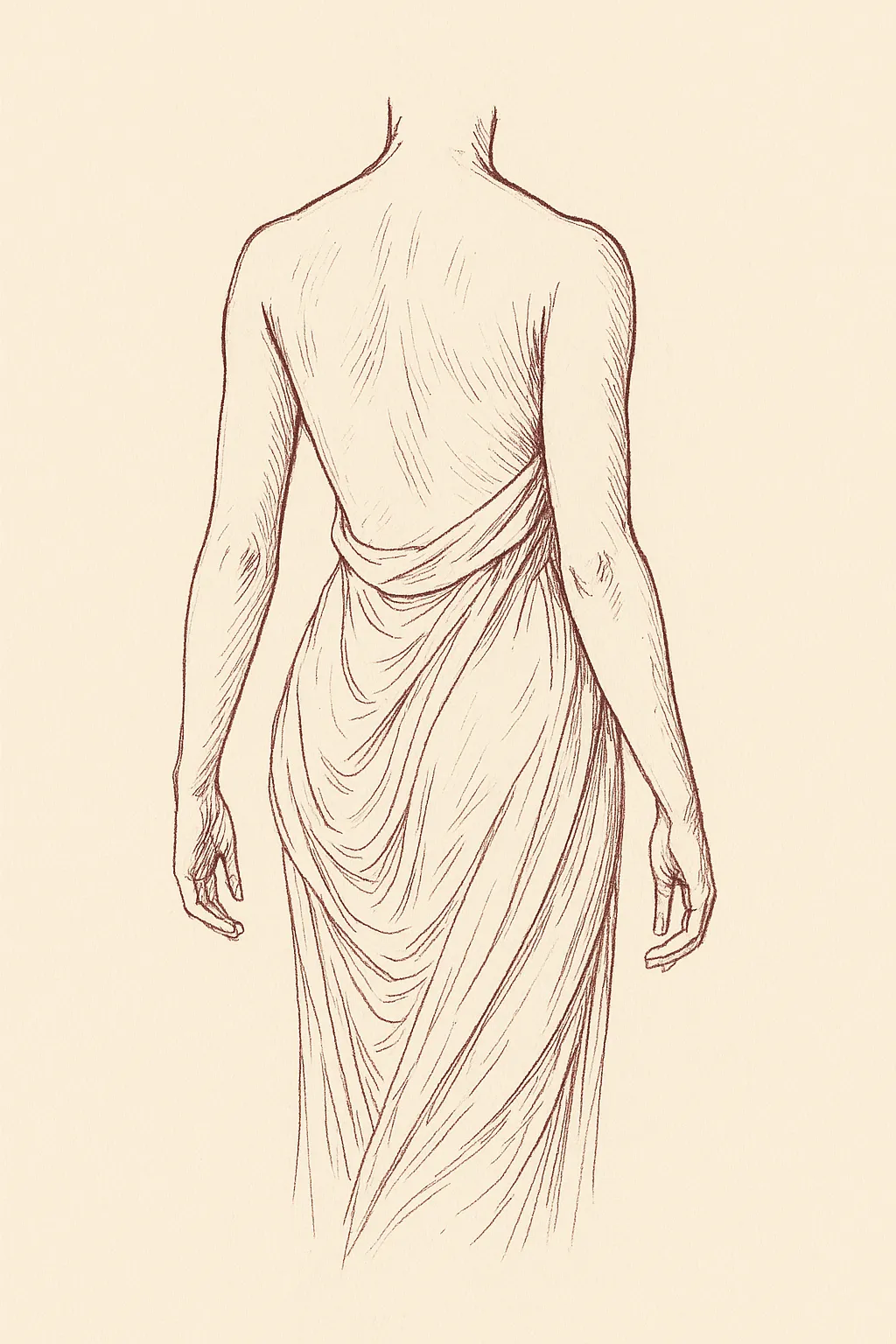
Tissue healing follows a sequence: initial inflammation and swelling, tissue repair, and longer-term remodelling. The first stage is the most uncomfortable; the third is the longest. The illustration below is a simplified diagram we use during consultations.
08Practice five · Pacing the return
Pre-empt the return
to work and exercise.
The fifth practice is also the one most easily compressed by external pressure. Every recovery is different. Some patients swell more than others; some have prolonged sensitivity; some return to a desk job in five days while others need closer to two weeks. None of these timelines are wrong.
Before surgery, Dr Nara will talk through the realistic return-to-activity arc based on your occupation, your routine and your specific procedure. After surgery, that plan may be adjusted at each post-operative review. If your work involves prolonged sitting, certain types of physical activity, or travel, plan for a buffer rather than the minimum.
A tailored consultation is the right place to plan this. You can read more about the consultation process on our consultation page, or get in touch using the form below.
09About the practitioner
Dr Kishen
Nara.
Dr Kishen Nara is a registered medical practitioner. He is actively involved in continuous professional development and research relating to cosmetic labiaplasty, including the Selective Anatomic Preservation technique published in Plastic and Reconstructive Surgery — Global Open (2020).
He sees patients across Melbourne, Tasmania and Adelaide. The team at RevAesthetic includes practice manager Cate, Patient Liaison Jenny, and registered nurses, all involved in supporting your enquiry. All assessments are conducted in line with Medical Board of Australia guidelines.
- MBBS Bachelor of Medicine, Bachelor of Surgery — Monash University
- FACCSM(Surg) Surgical Fellow, Australasian College of Cosmetic Surgery and Medicine
- AHPRA Registered medical practitioner — General Registration MED0001201549
11Continue reading
More from
the journal.
- 2026 What our before-and-after labiaplasty results show — and what they do not
An honest plain-language guide to reading a labiaplasty gallery. The anatomical variation, healing timeframes, photographic limits, and what to ask at consultation that a still image cannot answer. - 2026 Medicare and labiaplasty — when (and why) it does not apply
An honest plain-language guide to Medicare and labiaplasty in Australia. Why elective cosmetic labiaplasty is not rebated, the narrow symptomatic pathway that may attract a Medicare item, and how that assessment actually works. - 2026 Payment options for labiaplasty in Melbourne — what to expect
An honest plain-language guide to paying for labiaplasty in Melbourne. RevAesthetic does not run in-house payment plans — here is what is available, what is not, and the questions worth asking before you sign anything.
Disclaimer: All cosmetic procedures have inherent potential risks and complications. We encourage you to seek a second opinion from a qualified medical professional before any procedure. Material on this page is educational in nature and is not generalisable — outcomes vary significantly between patients depending on genetic composition, medical history and individual circumstances.